
 Language
 English
 Español
 русский
 Português
 عربى

Pure Aluminum Packaging Guide: Barrier Performance, Formats and Sourcing
Oct 30,2026Pure aluminum packaging is the shorthand many buyers use for flexible laminates built around a solid foil layer — usually 6 to 12 microns of near-pure aluminium buried between a printed outer film and a heat-seal inner layer. It is the same material family that protects coffee, retort-ready meals, test reagents and moisture-sensitive electronics, and it behaves quite differently from the metallized films it is so often confused with.
We have spent more than two decades printing and laminating these structures for food, medical, electronic and agricultural customers, and most of the questions we field are practical ones: which gauge, which sealant, which format, and how do I know the barrier still holds after the bag has been filled, handled and shipped. The notes below follow the order those questions usually arrive in.
Content
- 1 Pure Aluminum Foil vs. Metallized Film: A Distinction That Matters
- 2 How the Foil Layer Actually Performs
- 3 Common Structures and Where They Fit
- 4 Choosing a Format Around Your Filling Line
- 5 Matching Foil Packaging to What You Fill
- 6 Quality Checks Worth Building Into Your Spec
- 7 What About Sustainability?
- 8 Working With a Converter Who Understands Foil
Pure Aluminum Foil vs. Metallized Film: A Distinction That Matters
Metallized film carries a vacuum-deposited aluminium layer measured in angstroms on a PET or BOPP carrier. Pure aluminum foil is a rolled metal sheet, so its barrier does not depend on the integrity of a coating. In a laminate the foil normally sits in the middle, with a PET or BOPP outer web for printing and mechanical strength and a PE, CPP or cast PP inner layer for sealing.
The consequences are straightforward. Foil delivers close-to-absolute protection against moisture, oxygen, light and aroma transfer, but it is also the layer most sensitive to flex cracking and pinholes. Once that is clear, structure selection becomes a conversation about handling, shelf life and pack format instead of a hunt for the single best material.
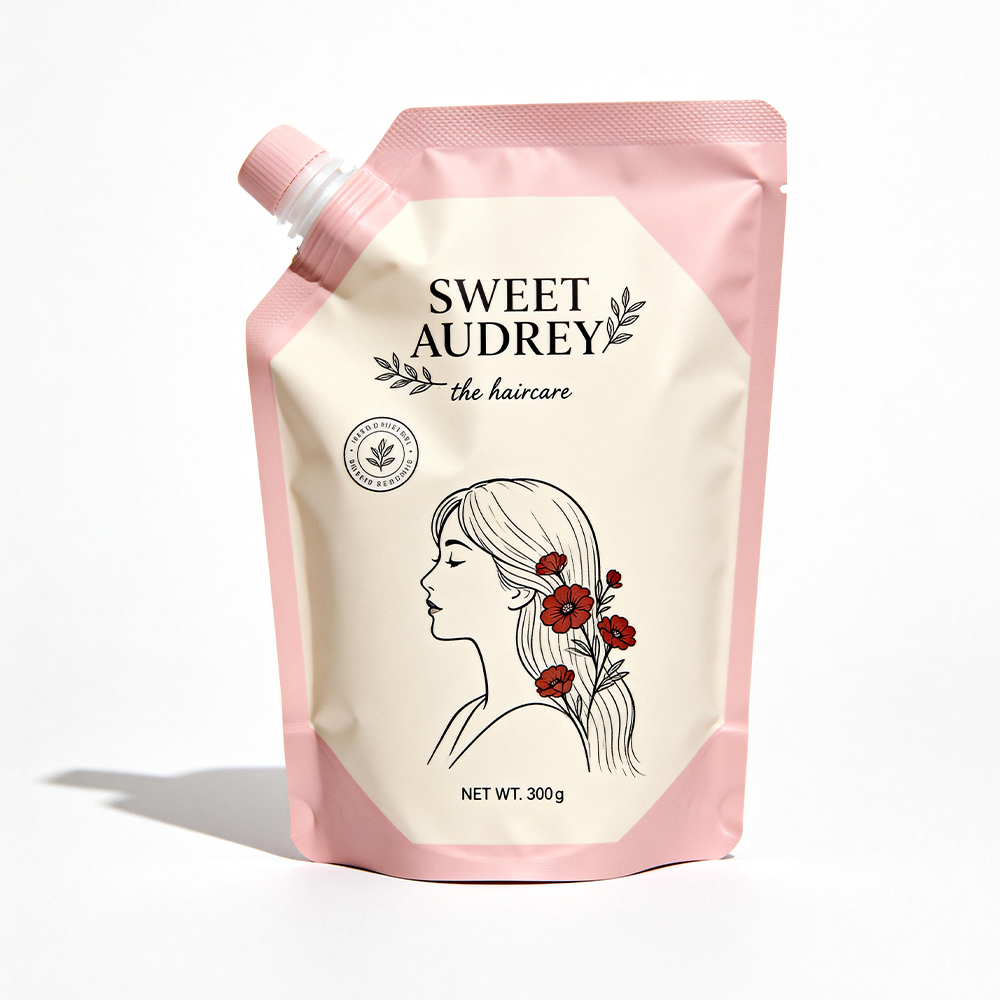
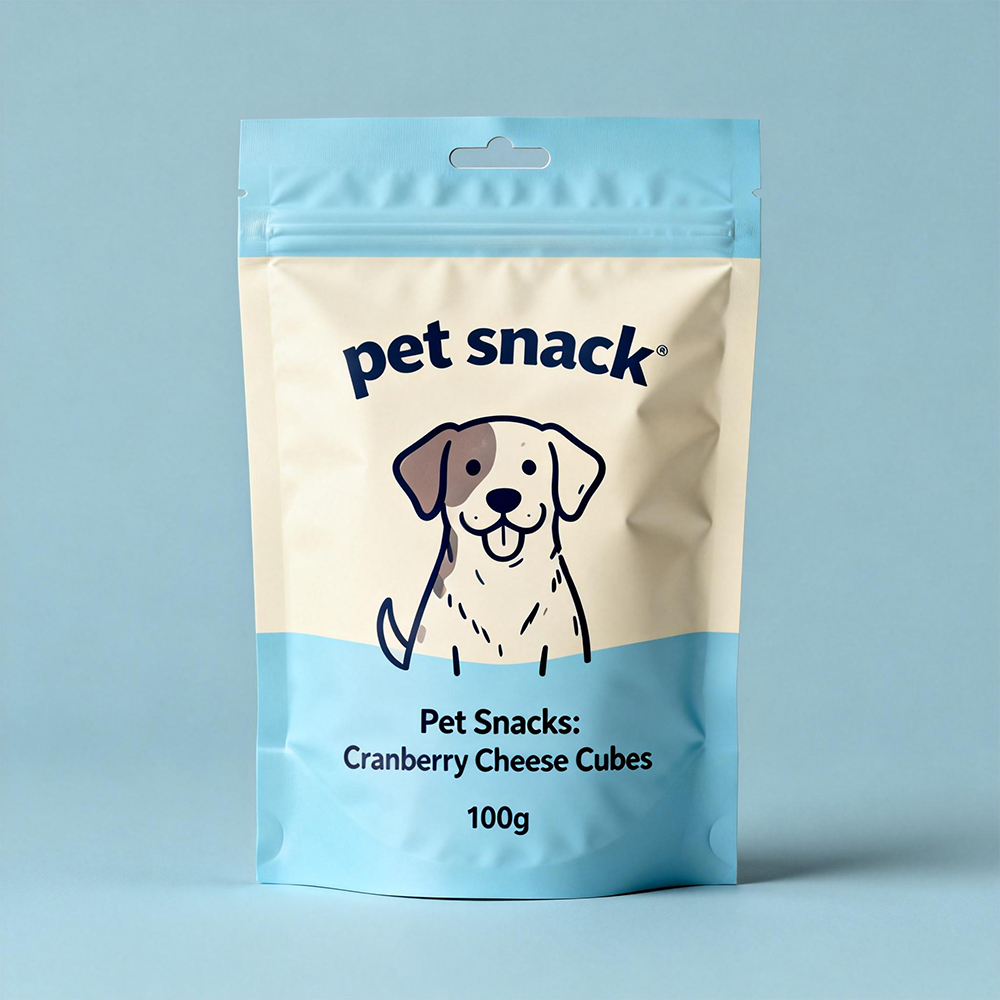 Pure Aluminum Foil Packaging Bags and PouchesFor high-value products needing moisture, oxygen and light protection, this pure aluminum pouch series also supports retort sterilization and puncture-resistant transport.View Product →
How the Foil Layer Actually Performs
At typical gauges, water vapor and oxygen transmission through an intact foil layer is effectively zero for packaging purposes, which is why foil laminates became the default for products that stale quickly or react badly to humidity. Light blocking is complete, an advantage for oils, dairy and many pharmaceutical items.
The weak point is mechanical. Flexing, sharp pouch corners, aggressive filling nozzles and rough distribution can all open pinholes that let moisture through an otherwise excellent barrier. Good structures answer this in three ways: a slightly heavier foil, a tough outer web, and pouch geometry that avoids tight folds. If you want to go deeper into how barrier layers work together, our overview of barrier films is a useful companion read.
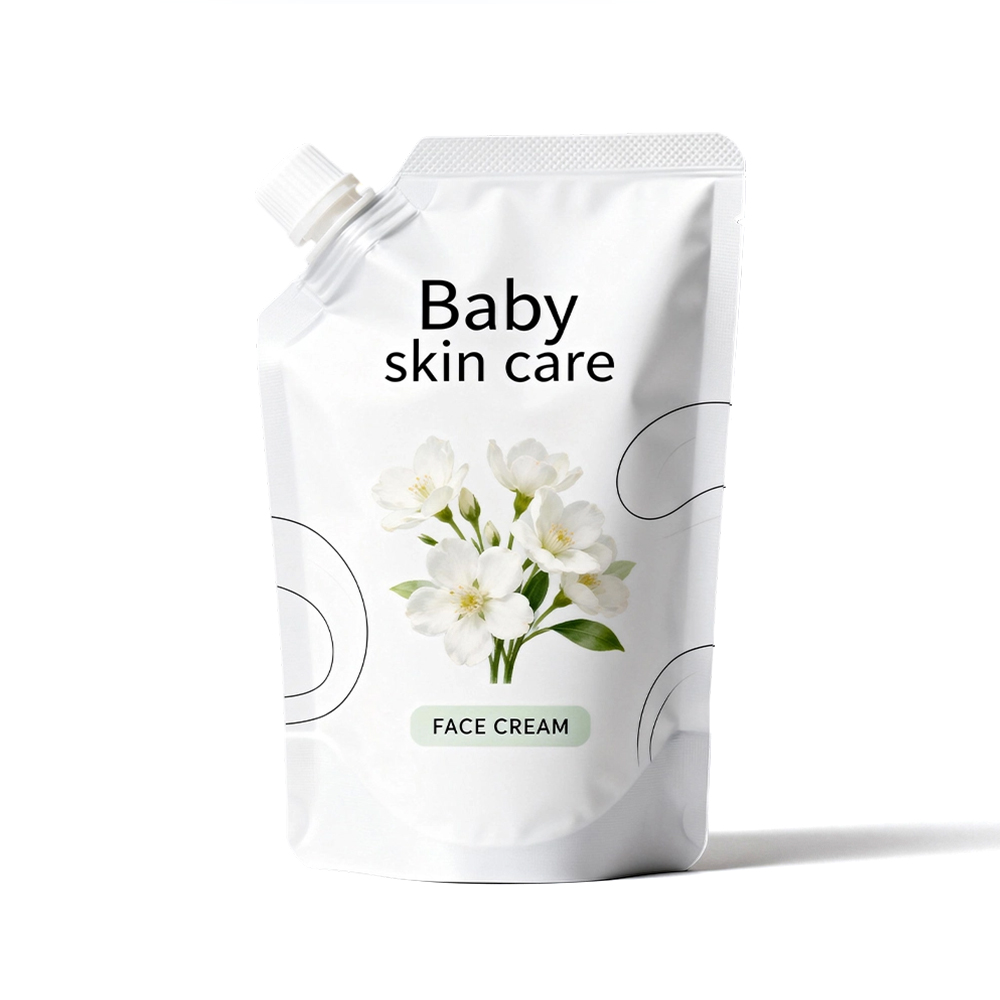
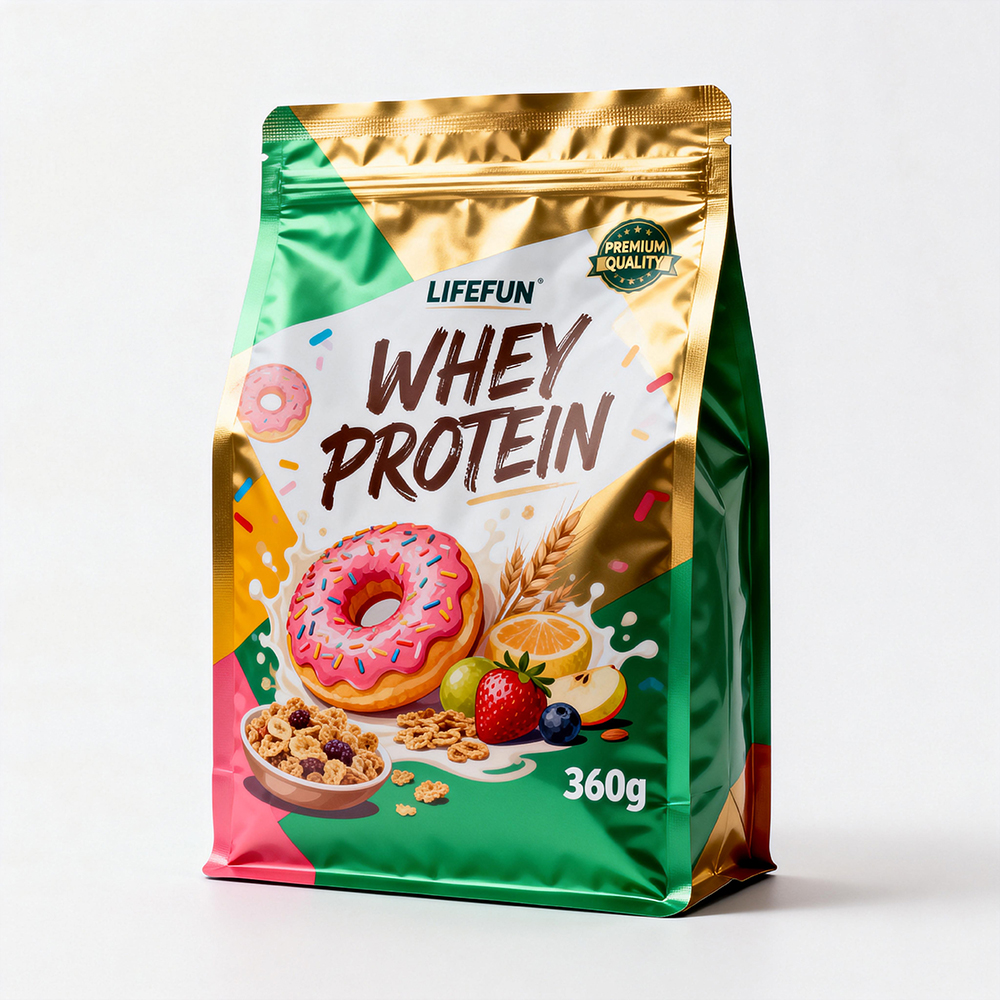 High Barrier Aluminum Foil PouchesA foil-core pouch for oxygen-, moisture- and light-sensitive goods, with low transmission rates and puncture resistance for long storage and demanding environments.View Product →
Common Structures and Where They Fit
Most projects land on one of a handful of builds. What follows is not a specification sheet — final structures always need filling trials and shelf-life testing — but it is a sensible starting point for the first conversation with a converter.
| Structure | Typical build | Where it fits | What to watch |
|---|---|---|---|
| Standard foil laminate | PET / foil 7–9 µm / PE | Coffee, nuts, snacks, powdered drinks | Flex cracking at tight corners; keep pouch corners rounded |
| Retort foil laminate | BOPA or PET / foil / cast PP | Ready meals, soups, wet pet food | Needs retort-grade adhesive and sealant; retest after sterilisation |
| Paper-faced foil | Paper / foil / PE | Chocolate, butter, confectionery sachets | The paper face still needs a moisture barrier |
| Metallized alternative | Metallized PET / PE | Cost-sensitive dry goods | Barrier depends on coating integrity; expect shorter shelf life |
| Mono-material high barrier | Coated or metallized mono-PE | Projects with recycling targets | Verify barrier and seal strength against your actual fill |
Choosing a Format Around Your Filling Line
The same laminate can leave the plant as roll film, a three-side-seal sachet, a stand-up pouch, a spouted pouch or a retort pouch, and that format decision often shapes a project more than the material does.
- Roll film suits brands and converters running their own form-fill-seal equipment, offering the lowest unit cost and the most freedom over pack size.
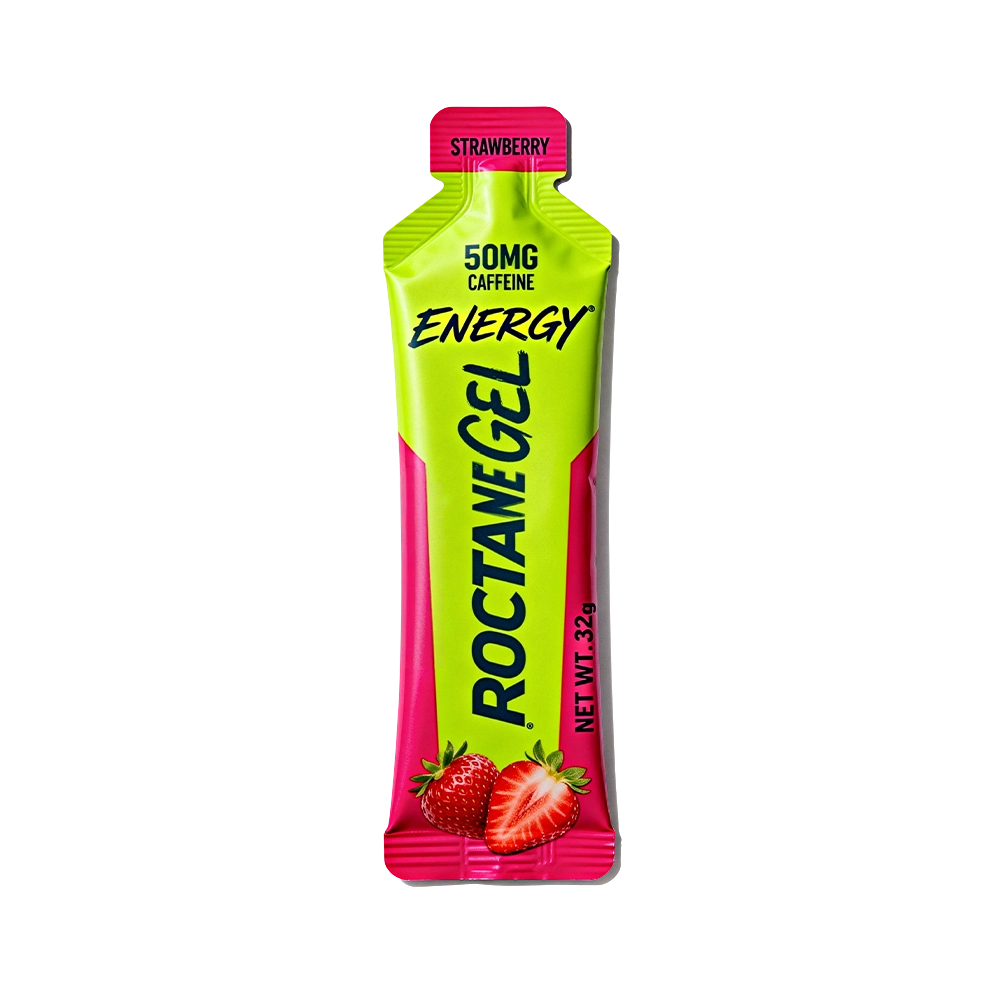
- Three-side-seal sachets remain the workhorse for small doses of powders, sauces and single-serve products.
- Stand-up pouches carry the shelf presence and handle heavier fills with a wider seal and a gusset.
- Spouted and bag-in-box formats manage liquids and semi-liquids, including bulk ingredients for food service.
- Retort pouches pair a cast PP sealant with a retort-grade adhesive so the pack survives sterilisation above 121 °C.
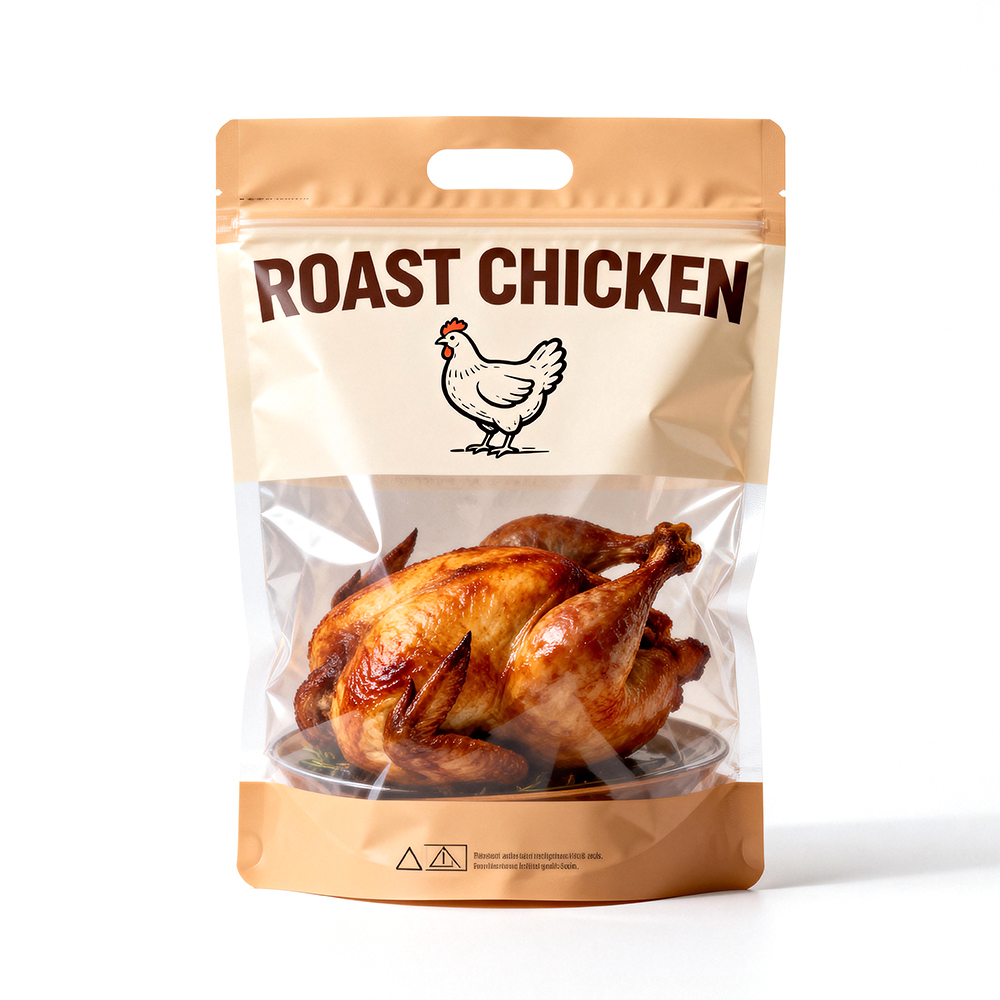
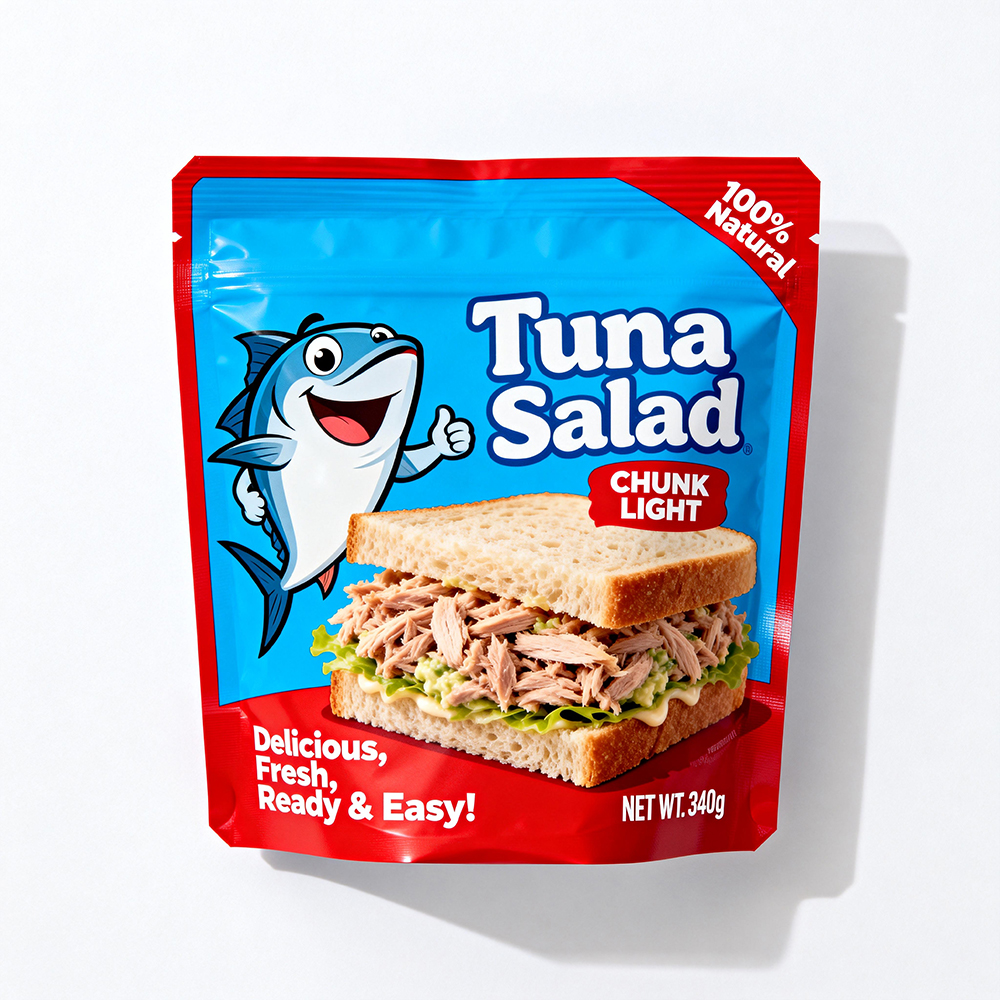 High-Temperature Retort Pouches for Sterilized FoodsFor retorted foods and ready meals, these nylon/PP pouches are built for 121–135°C sterilization and retain seals and barrier properties after processing.View Product →
Matching Foil Packaging to What You Fill
Food is the largest use, and for good reason: coffee, nuts, meat products, powdered additives and ready meals all depend on the combination of oxygen and moisture control that foil provides. Our food packaging overview covers many of those categories in more detail.
Outside food, medical devices and test reagents rely on foil laminates where humidity control is a regulatory expectation as much as a quality one. Electronic components use them to keep moisture away from reflow-sensitive parts, while agricultural inputs such as powder pesticides and seeds benefit from the chemical resistance and complete light blocking.
Quality Checks Worth Building Into Your Spec
Ask for the tests that match the risk rather than a generic certificate. A practical receiving checklist usually looks like this:
- Light transmission or dye penetration to screen for pinholes.
- Peel strength across the lamination bond, sampled from several points on the roll.
- Seal strength across the full seal-bar temperature range you plan to run.
- Burst and compression testing on filled pouches, ideally after simulated transport.
- Migration and food-contact documentation for anything edible.
Storage deserves more attention than it usually gets. Foil laminates should stay dry and out of direct sunlight, and rolls should be used within the recommended window because some sealants age. Print registration and winding tension are worth checking on arrival — they are early indicators of how a run will behave on your machine.
What About Sustainability?
Foil is used in very thin gauges, so the aluminium content of a typical pouch is small, often under five percent of pack weight. That helps on material efficiency but complicates recycling, because the foil is bonded to plastic and paper layers that most collection streams cannot separate. The honest answer is that pure aluminum laminates are not widely recycled through household waste today.
Progress is happening elsewhere: lighter foil gauges, high-barrier coated mono-material where shelf life allows, and designing the whole pack around one polymer family. On our side, the plant runs on solar lighting, heat recovery, water circulation and organic waste-gas treatment, and we treat structure choice as the biggest lever of all — a pack that meets shelf life with less material usually beats a pack that claims recyclability it cannot deliver.
Working With a Converter Who Understands Foil
Foil is unforgiving of small process errors: adhesive coating weight, nip temperature, tension during lamination. That is why the supplier conversation matters as much as the datasheet. Our site in Huai'an, Jiangsu covers 25,000 m² with 33,000 m² of buildings, more than 60 automatic gravure printing lines, 10,000 tonnes of annual printed packaging capacity and 6,000 tonnes of blown film, and we have supplied brand owners and converters across more than 35 markets since 2003.
If you are weighing structures for a new pack, or fixing a shelf-life problem on one that already exists, send us the product, the fill weight, the process conditions and the target shelf life. Those four details are usually enough to narrow the discussion to two or three sensible options.
-
 Market
-
 Function
-
 Bag-Shaped
-
 Material


Get a Quote

 Email: admin@zhongdepack.com
 Stephanie: +86 15150585909
Eva: +86 18652312560
Sherlock: +86 15188766848 Monday-Friday: 9am to 6pm
-
 No. 10, Lixi Road, Economic and Technological Development Zone, Huai'an City, Jiangsu Province, China.
Copyright © by Huaian Zhongde Packaging Materials Co., Ltd. All Rights Reserved.
Custom Printed Fexible Packaging Manufacturer