
 Language
 English
 Español
 русский
 Português
 عربى

Mono-material Packaging: A Practical Guide for Flexible Packaging Buyers
Oct 16,2026Mono-material packaging has moved from technical meetings into marketing decks in the space of a few years. The idea behind it is simple: instead of laminating several different plastics into one film, you build the whole pack from a single material family, usually polyethylene or polypropylene, so it can be sorted and recycled without anyone having to separate the layers first.
We have spent more than two decades printing and laminating flexible packaging in Huaian, and we have watched this shift from the inside. It is genuinely useful, and it is not a magic switch. Here is what we have learned about where mono-material works well, where it needs help, and how to choose a structure that still protects the product inside.
Content
- 1 What Is Mono-material Packaging?
- 2 Why Brands Are Moving Toward a Single Material
- 3 The Main Mono-material Families and What They Suit
- 4 Where Mono-material Struggles, and What Closes the Gap
- 5 Applications Across the Industries We Serve
- 6 Designing a Mono-material Structure: The Questions We Ask First
- 7 How We Approach Mono-material Projects
- 8 Questions We Hear Most About Mono-material
What Is Mono-material Packaging?
Strictly speaking, mono-material packaging means the whole pack belongs to one polymer family: the structural film, the seal layer, and any coating or print carrier. A mono-PE pouch, for example, uses polyethylene for both the outer layer and the heat-seal layer. Nothing in the construction needs to be pulled apart at the recycling plant.
This matters because most conventional flexible packaging is a laminate. PET gives stiffness and print quality, aluminium foil or metallised PET gives barrier, and PE gives sealing. Each layer does its job beautifully, but once they are glued together they cannot be separated economically, so the pack usually ends up in residual waste or in an energy recovery stream.
The practical definition we use with customers is a little looser: a mono-material structure is one that the local recycling stream can actually accept. That usually means one dominant polymer above roughly 90 percent of the pack weight, compatible coatings and additives, and a design that does not hide a different material in the closure, the spout or the label.
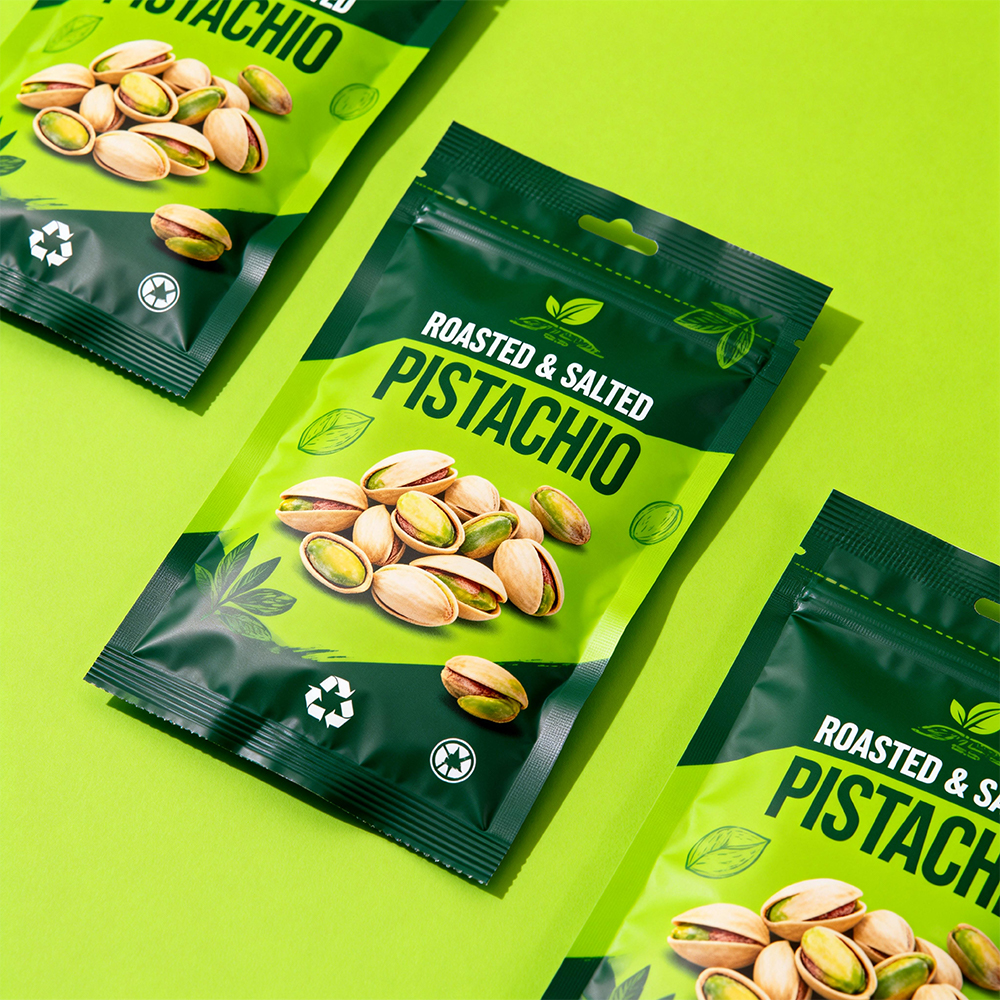 Custom Mono-Material Recyclable Packaging for Food and Daily GoodsA single-polymer flexible pack designed for local recycling streams, combining barrier, sealing and print quality for brand sustainability goals.View Product →
Why Brands Are Moving Toward a Single Material
Two forces are pushing this change. The first is regulation. The European Union's Packaging and Packaging Waste Regulation sets design-for-recycling expectations that tighten over the coming years, and similar rules are appearing in other markets. Packaging that fails a recyclability assessment becomes harder to place on the shelf, no matter how well it performs.
The second is the way shoppers read a pack. A recyclability claim printed on a pouch is only credible if the pouch is, in fact, recyclable in the bin it lands in. Brands that have made public commitments are finding that mono-material structures are the most straightforward way to keep that promise without redesigning an entire product line.
There is also a quieter commercial argument. Mono-material films are often lighter and need fewer conversion steps than a three-layer laminate, so each pack uses less material. That saving does not always show up as a lower price per kilogram, but it does show up in the total packaging weight a brand reports at the end of the year.
The Main Mono-material Families and What They Suit
Not every single-material film behaves the same way, and choosing the wrong family is the most common reason a first trial disappoints. These are the four directions we convert most often.
| Material family | Recycling stream | Barrier character | Typical applications |
|---|---|---|---|
| PE (mono-PE) | LDPE and HDPE film streams | Excellent moisture barrier, limited oxygen barrier unless metallised or coated | Frozen foods, dry goods, sachets, pet treats, refill packs |
| PP (mono-PP) | PP stream | Good moisture barrier, strong heat resistance, better oxygen barrier when coated | Retort and pasteurised meals, snacks, coffee, personal care |
| PET (mono-PET) | PET stream | High stiffness, good barrier, excellent print quality | Lidding, cosmetic and healthcare packs, some dry foods |
| Paper-based | Paper and board stream | Almost no barrier alone, needs a dispersion coating or a thin polymer layer | Dry foods, dry pet food, e-commerce and secondary packs |
| Coated mono-PE or mono-PP | PE or PP stream, subject to local rules | Metallised or AlOx-coated for light, moisture and oxygen barrier | Coffee, nuts, snacks, dry mixes, oxygen-sensitive foods |
Where Mono-material Struggles, and What Closes the Gap
Honesty first: a single polymer does not naturally deliver the same barrier as a foil laminate. PE lets oxygen through. PP handles heat better but is not dramatically better against oxygen. If a product is sensitive to oxygen, light or moisture, a plain mono-PE film will not carry it to a twelve-month shelf life.
The gap is usually closed in one of three ways. Coatings such as metallisation, aluminium oxide or silicon oxide add barrier without introducing a second polymer family, so the pack stays in the PE or PP stream. A very thin barrier layer, kept to a few percent of the total pack weight, is tolerated by some recyclers, but it has to be checked against the local guidance for the market you are selling into. The third route is a multilayer mono-structure built from different grades of the same polymer: a stiff outer layer, a metallised core, and a soft sealing layer inside.
We also keep transparent high-barrier options in the mix for brands that want the pack to show the product, because not every application can live with a metallised look. If you want the technical background, we go into more detail in our overview of the basics of barrier films.
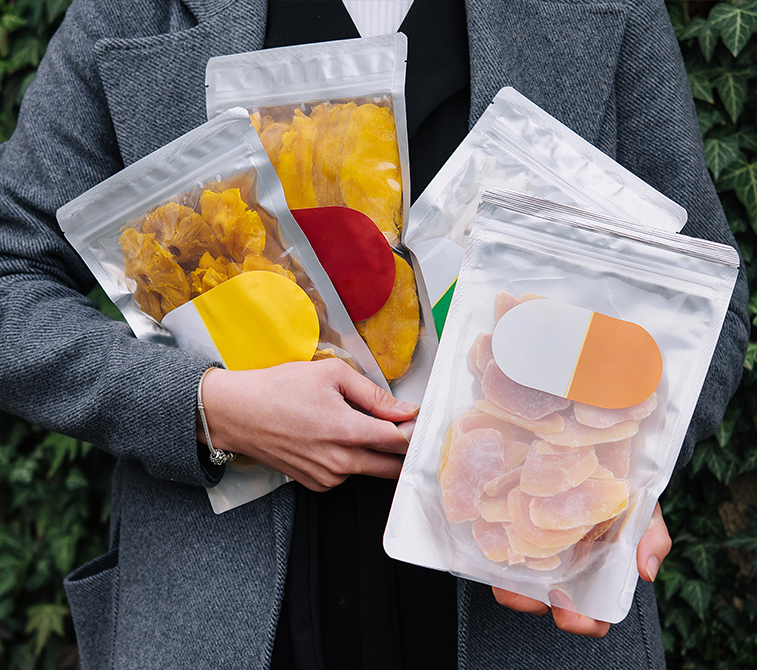
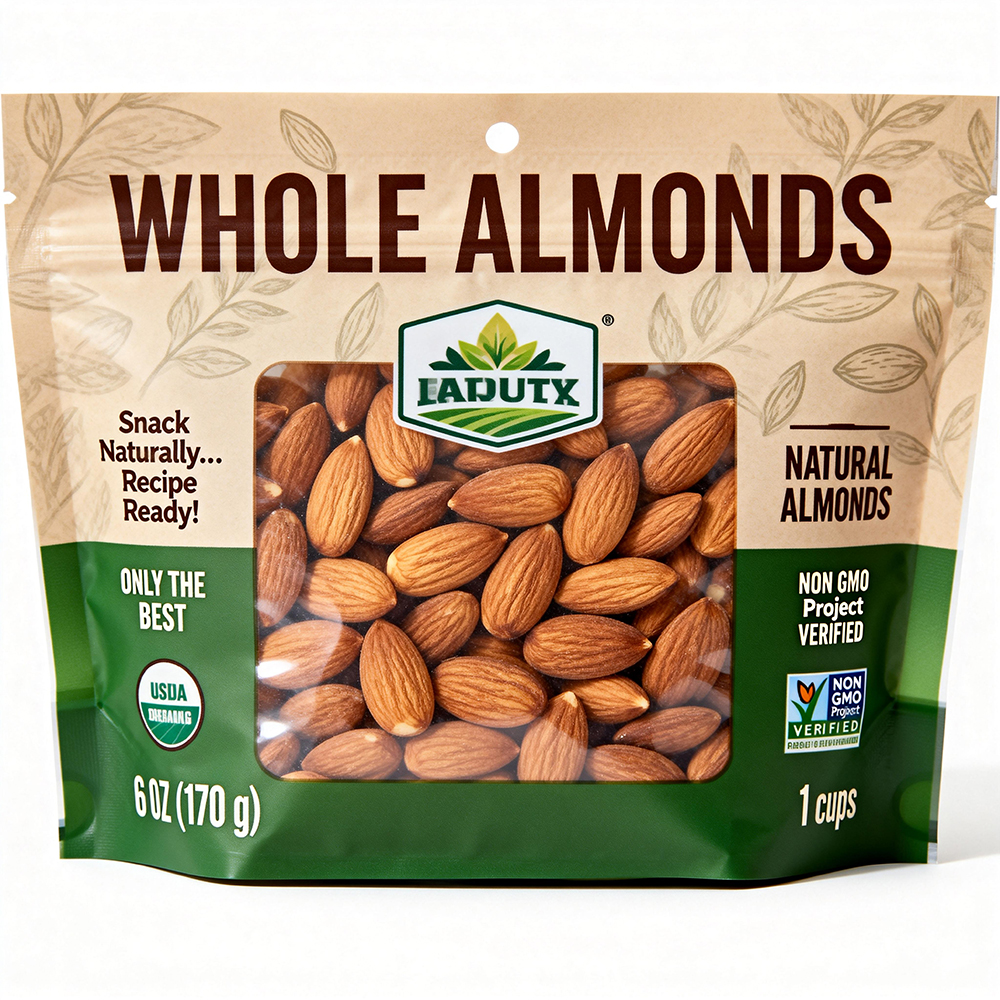 Transparent High Barrier Pouches with Aluminum-Free Visible DisplayAll-plastic oxide-coated pouches offer near-foil oxygen and moisture protection while keeping contents visible for high-end food, pharma and electronics.View Product →
Applications Across the Industries We Serve
Because we convert for a fairly wide range of industries, we get to see where mono-material has already settled in and where it is still being tested.
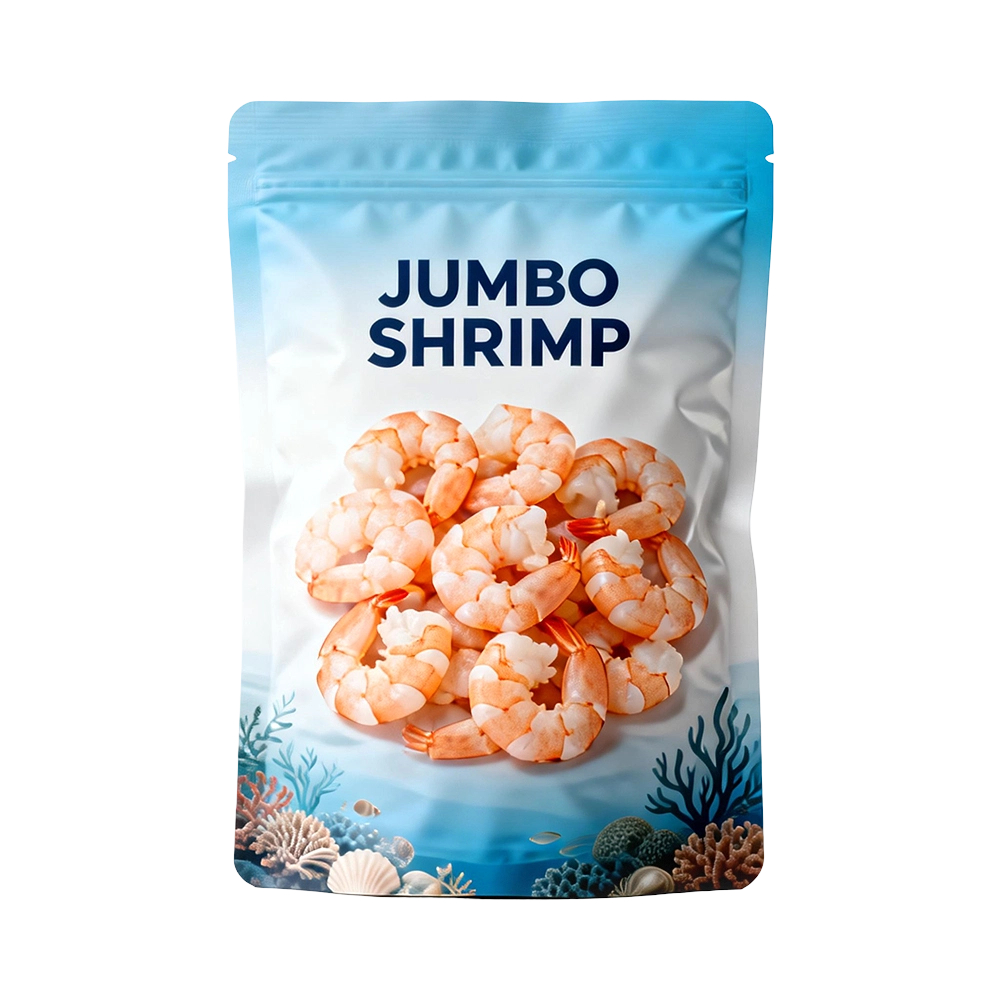
- Food: snacks, nuts, dry mixes, coffee, frozen vegetables and prepared meals, where moisture and oxygen control decide the shelf life.
- Pet food and pet supplies: dry food, baked kibble and treats, where a strong seal and aroma retention matter more than high oxygen barrier.
- Personal care and household care: refill pouches for shampoo, detergent and cleaning products, a category where mono-PE is now the default design.
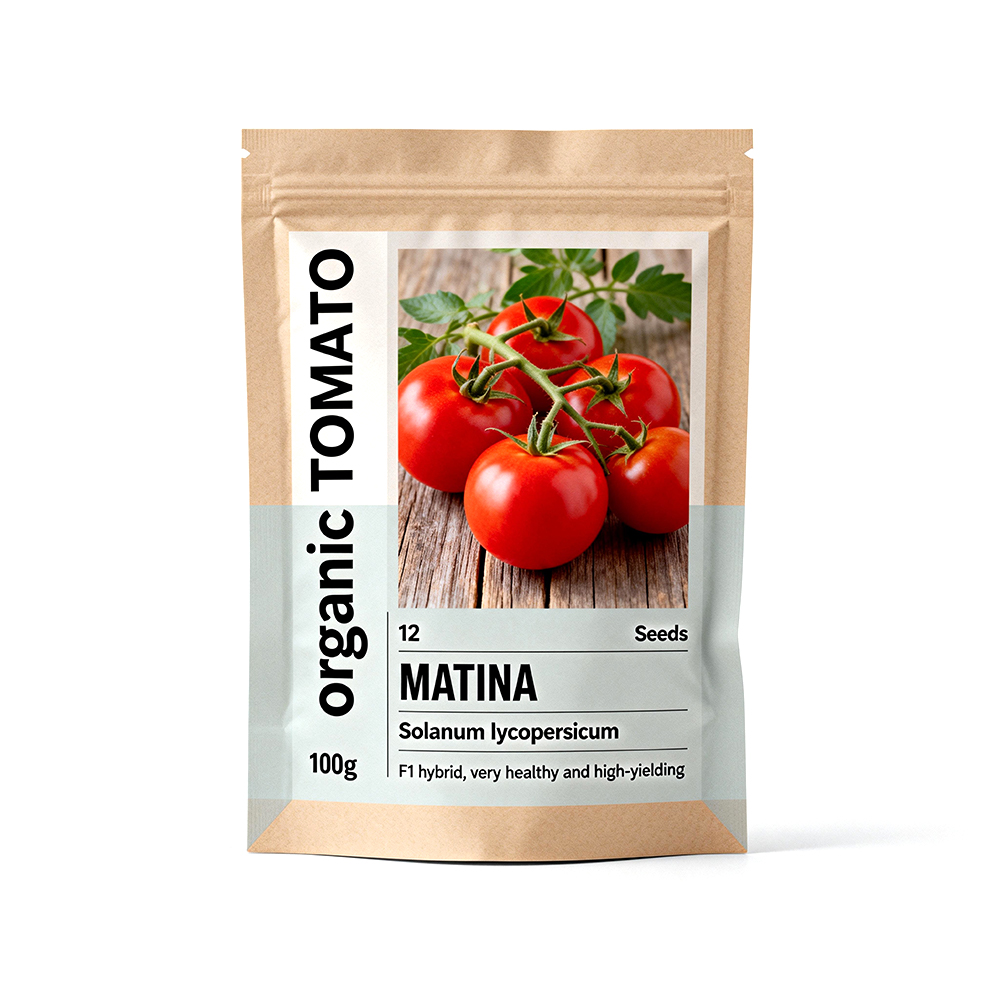
- Agriculture and industrial goods: fertiliser, seed, feed and powdered additives, where pack strength and moisture protection carry most of the weight.
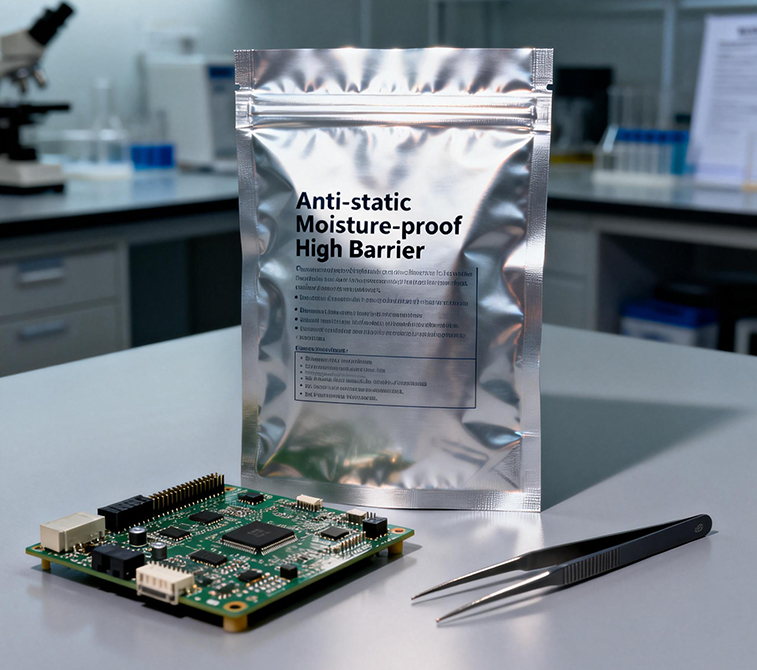
- Electronics and healthcare: here barrier and static protection usually outrank recyclability, so mono-material is a conversation rather than an assumption.
Designing a Mono-material Structure: The Questions We Ask First
When a customer comes to us asking for a recyclable pack, we do not start with a film spec. We start with a short list of questions, because the answers narrow the options quickly.
- What is inside the pack? Water activity, fat content and oxygen sensitivity decide how much barrier the structure must carry.
- How is the pack filled and sealed? Existing form-fill-seal equipment and sealing jaws set the film thickness and the sealing window.
- What process does the pack go through? Retort, pasteurisation, freezing and microwaving each rule out certain polymer grades.
- What shelf life and distribution are required? A chilled product with a six-week life is a very different brief from an ambient product with a year of life.
- Which recycling stream will the pack meet? Design for the collection system that exists where your customer lives, not the one you wish existed.
- What do the closure, spout, zipper or valve contribute? These parts are often a different polymer and can quietly break recyclability.
- What is the acceptable trade-off between pack weight, cost and barrier performance?
How We Approach Mono-material Projects
Our background is flexible packaging manufacturing at scale. On a 25,000 square metre site in Huaian we run more than 60 automatic printing lines, with an annual output of around 10,000 tonnes of printed packaging and 6,000 tonnes of blown film. That scale matters for mono-material work, because these films are often run thinner and the sealing window is narrower, so the process has to be stable rather than merely possible.
A typical project starts with a structural trial: we run a short film sample, fill it the way your line will fill it, and test it against the conditions the pack has to survive. What comes back from that trial is usually more informative than any specification sheet, and it tells us whether the mono-material version can genuinely replace what you are using now.
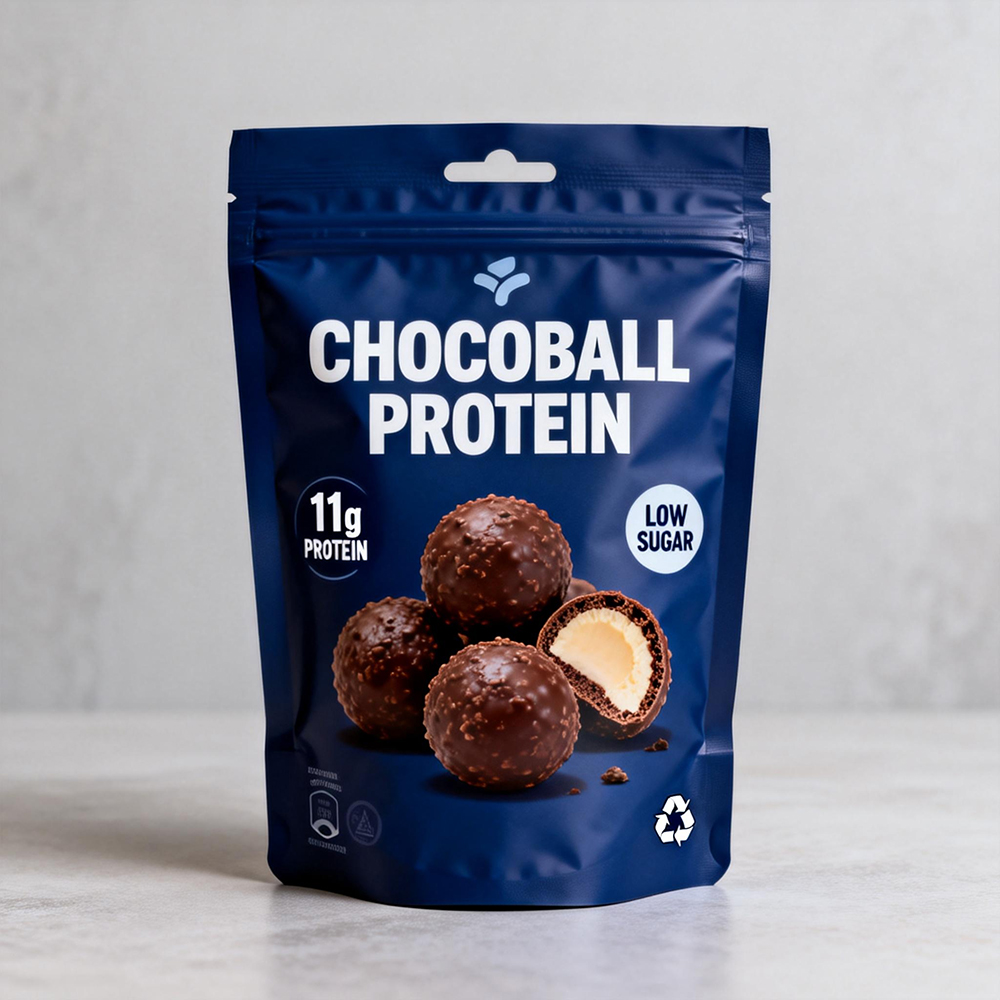 Recyclable Mono-Material Flexible Packaging for Snacks and Pet FoodSingle-polymer PE/PE or PE/PP structures combine barrier and heat-seal performance, helping brands meet recyclability goals without sacrificing product protection.View Product →
We try to run the production side of the business the same way we approach recyclable design, with solar lighting, heat recovery, water circulation and organic waste gas treatment, which we describe on our sustainability page. We will not claim that a mono-material pouch solves packaging waste on its own, because the collection system has to exist. What we can do is make sure the pack we deliver is genuinely recyclable by design, in the stream it will actually meet.
Questions We Hear Most About Mono-material
Is mono-material packaging always recyclable in practice?
No. It is recyclable in design, but whether it is recycled depends on local collection, sorting equipment and the acceptance criteria of the scheme in that country. Mono-material removes the technical obstacle, not the infrastructure question.
Does mono-material cost more?
Sometimes, at least at first. A coated or metallised mono-film can be more expensive per kilogram than a simple PE layer, while using fewer layers overall. The most reliable way to judge is to compare cost per finished pack, not cost per kilogram of film.
Can an existing pack be switched to mono-material without changing machines?
Often yes for vertical form-fill-seal and flow wrap lines, provided the new film thickness and stiffness stay within the machine's range. Retort and high-barrier applications need more testing, because heat and oxygen performance are less forgiving.
If you are working through a mono-material decision and want a second opinion rather than a sales pitch, send us the film structure you use today and describe what the pack has to survive: the fill, the process, the shelf life and the market. We will tell you honestly whether a single-material version is realistic, what it would change, and where it would still need help.
-
 Market
-
 Function
-
 Bag-Shaped
-
 Material


Get a Quote

 Email: admin@zhongdepack.com
 Stephanie: +86 15150585909
Eva: +86 18652312560
Sherlock: +86 15188766848 Monday-Friday: 9am to 6pm
-
 No. 10, Lixi Road, Economic and Technological Development Zone, Huai'an City, Jiangsu Province, China.
Copyright © by Huaian Zhongde Packaging Materials Co., Ltd. All Rights Reserved.
Custom Printed Fexible Packaging Manufacturer