

 Language
 English
 Español
 русский
 Português
 عربى
This guide covers what "food grade" actually requires, why different food categories need very different bag properties, and what to check before choosing a food packaging bag supplier.
Content
What Makes a Packaging Bag "Food Grade"?
At its core, food grade packaging means the materials in direct contact with food have been tested and approved as safe for that contact — meaning they won't leach harmful chemicals into the food under normal use conditions. The specific requirements depend heavily on which market the product is sold in:
- United States: Food contact materials generally need to comply with FDA regulations under 21 CFR, which sets specific requirements for plastics, adhesives, and inks used in direct food contact
- European Union: Food contact plastics fall under EU Regulation (EU) No 10/2011, which sets migration limits for substances that could transfer from packaging into food
- General requirements across regions: Restrictions typically apply to heavy metals (lead, cadmium, mercury), certain plasticizers, and substances like BPA in some applications
In practice, this means a genuinely food grade packaging bag should come with documentation — migration test reports, material safety data, or third-party certification — rather than just a printed claim on the product page. If a supplier can't produce this documentation on request, that's worth treating as a warning sign rather than a minor inconvenience.
Food Packaging Bags Aren't One-Size-Fits-All
Beyond the baseline food-safety requirement, different food categories put very different demands on a packaging bag. A structure that works well for dry snacks would likely fail for frozen seafood, and a bag designed for shelf-stable soup wouldn't necessarily suit fresh-roasted coffee. Here's how requirements shift across common food categories:
| Food Category | Primary Packaging Requirement |
|---|---|
| Meat products | Strong moisture and grease barrier, often vacuum-sealed to limit oxidation |
| Seafood / aquatic products | Freezer-grade film that resists cracking at low temperatures, plus odor containment |
| Nuts | High oxygen barrier to prevent oil oxidation and rancidity over a long shelf life |
| Snacks | Grease resistance and a barrier against moisture that would cause sogginess |
| Coffee | Aroma barrier plus a one-way degassing valve to release CO₂ without letting oxygen in |
| Pre-made / ready meals | Retort or microwave-safe structure that can withstand reheating without failing |
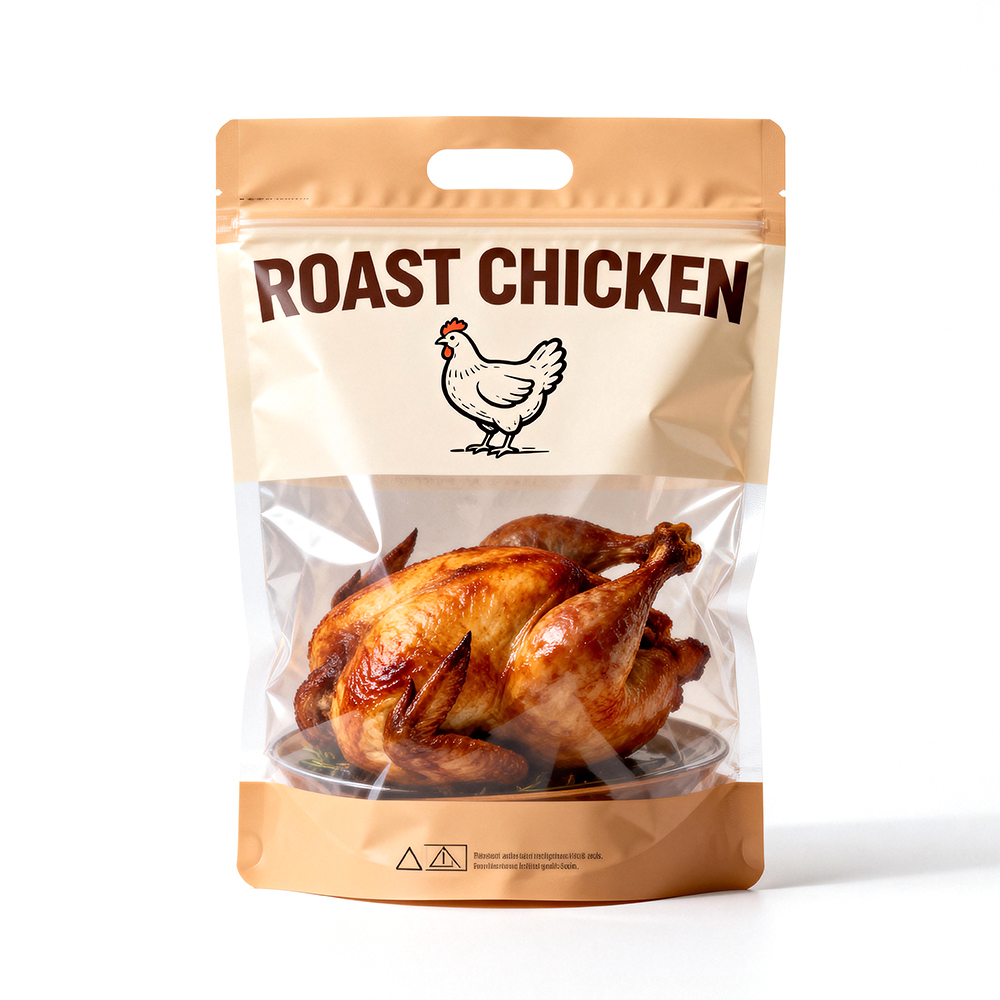
Meat Product Packaging Bags
Moisture and grease-barrier bags built for vacuum-sealed meat and processed meat products.
View Product →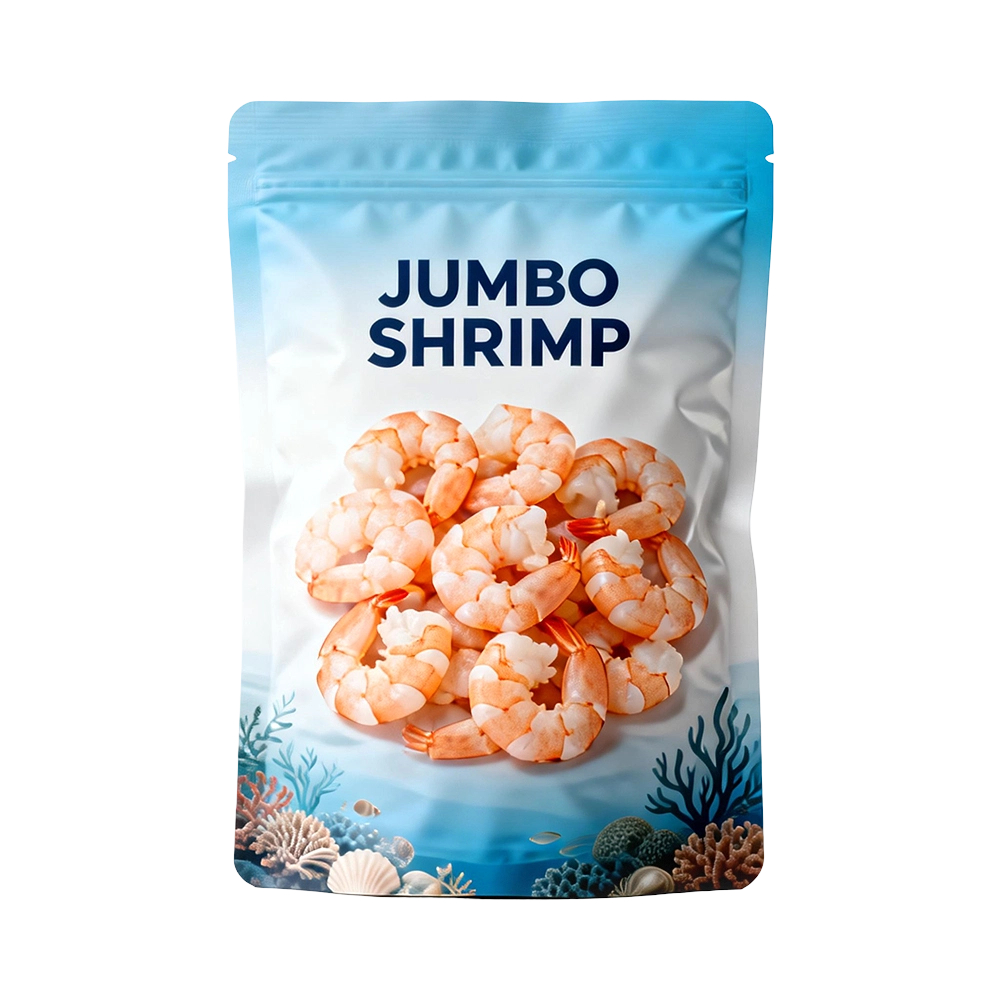
Aquatic Product Packaging Bags
Freezer-grade, odor-barrier packaging for seafood and other aquatic products.
View Product →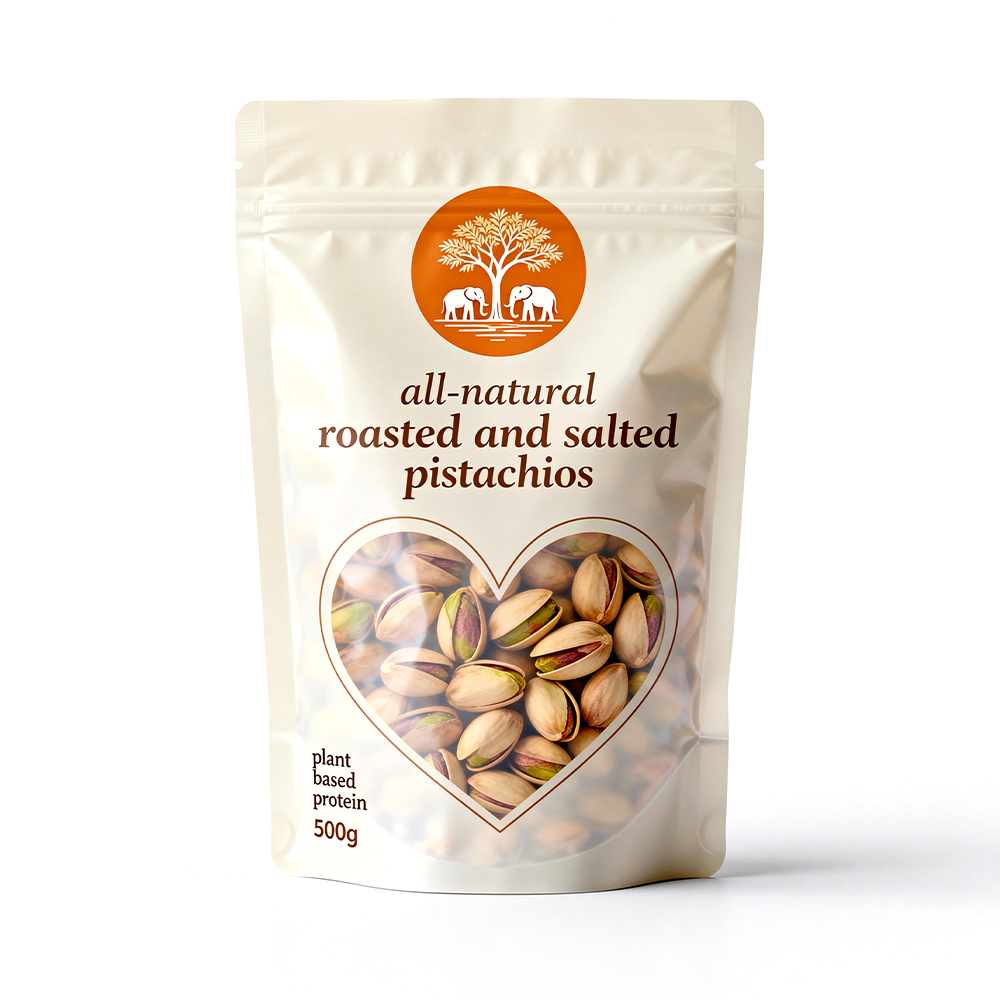
Nut Packaging Bags
High oxygen barrier bags that slow oil oxidation and rancidity in nuts.
View Product →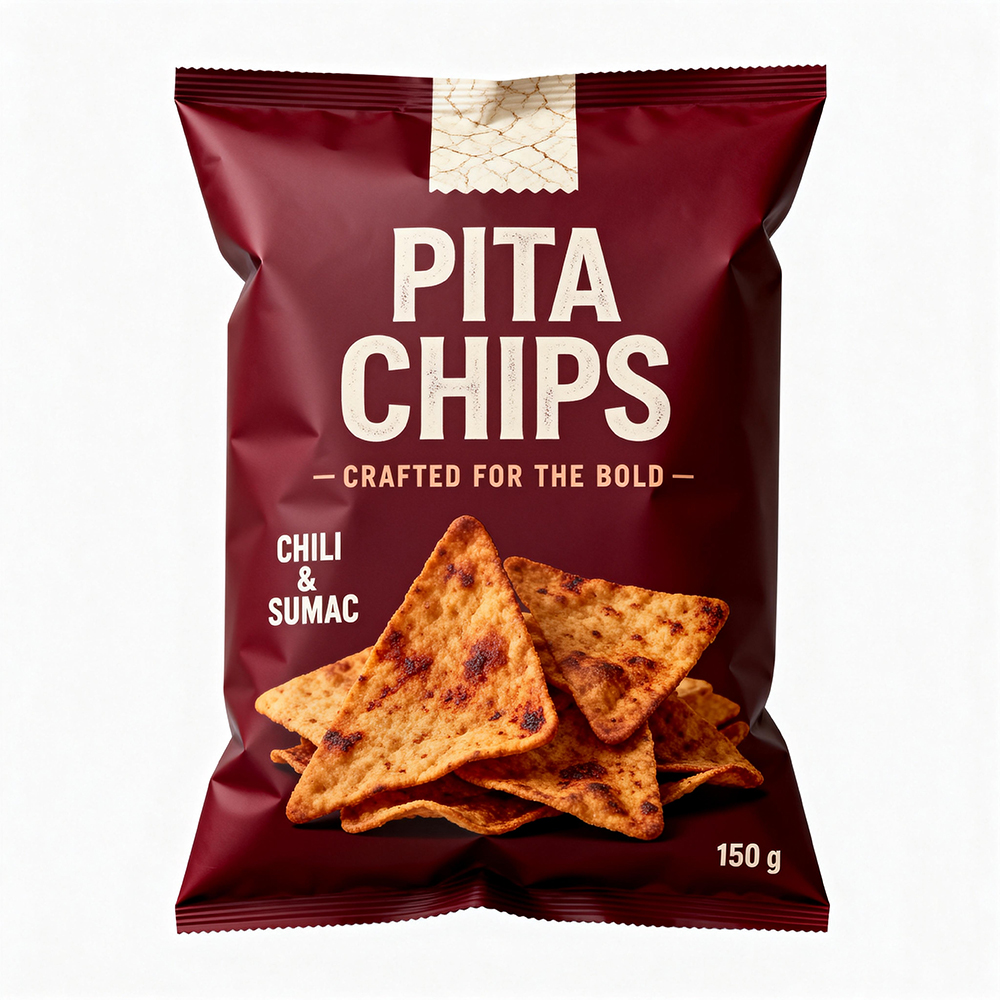
Snack Packaging Bags
Grease and moisture-resistant bags that keep snacks crisp and shelf-ready.
View Product →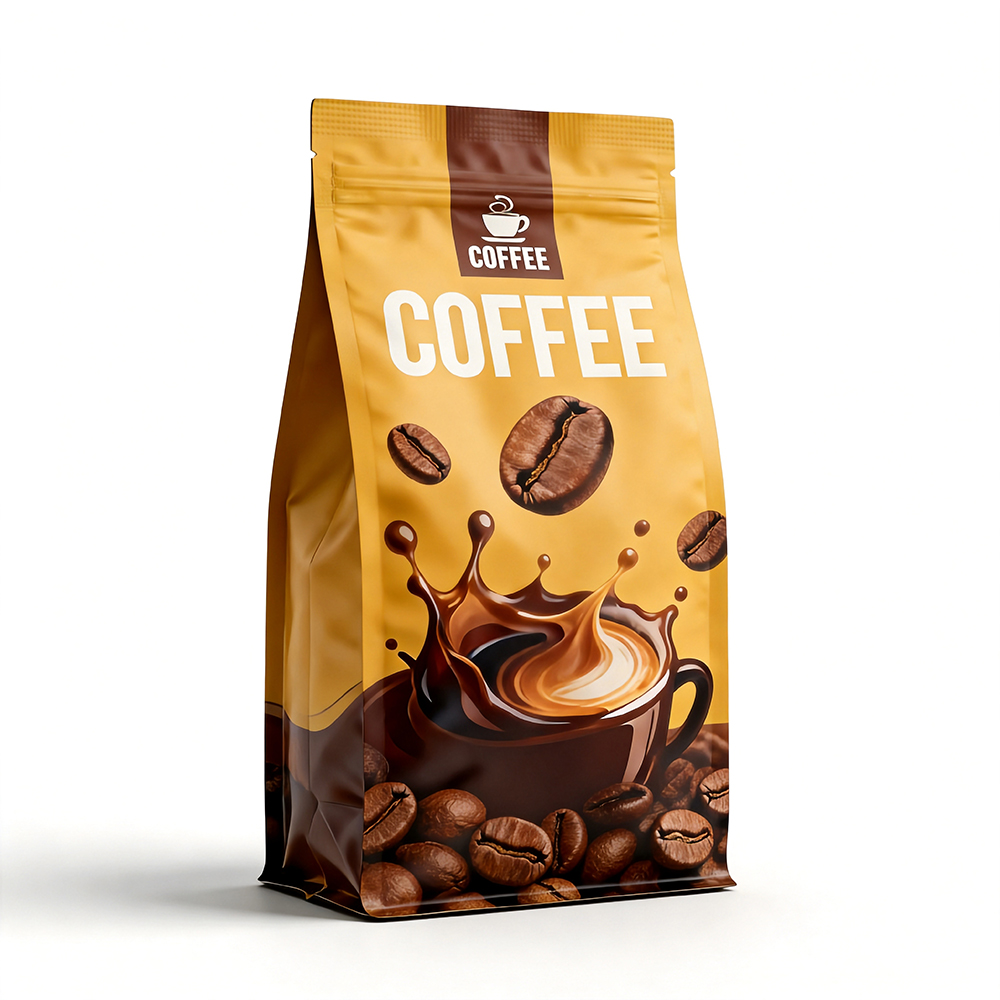
Coffee Packaging Bags
Aroma-barrier bags with a one-way degassing valve for freshly roasted coffee.
View Product →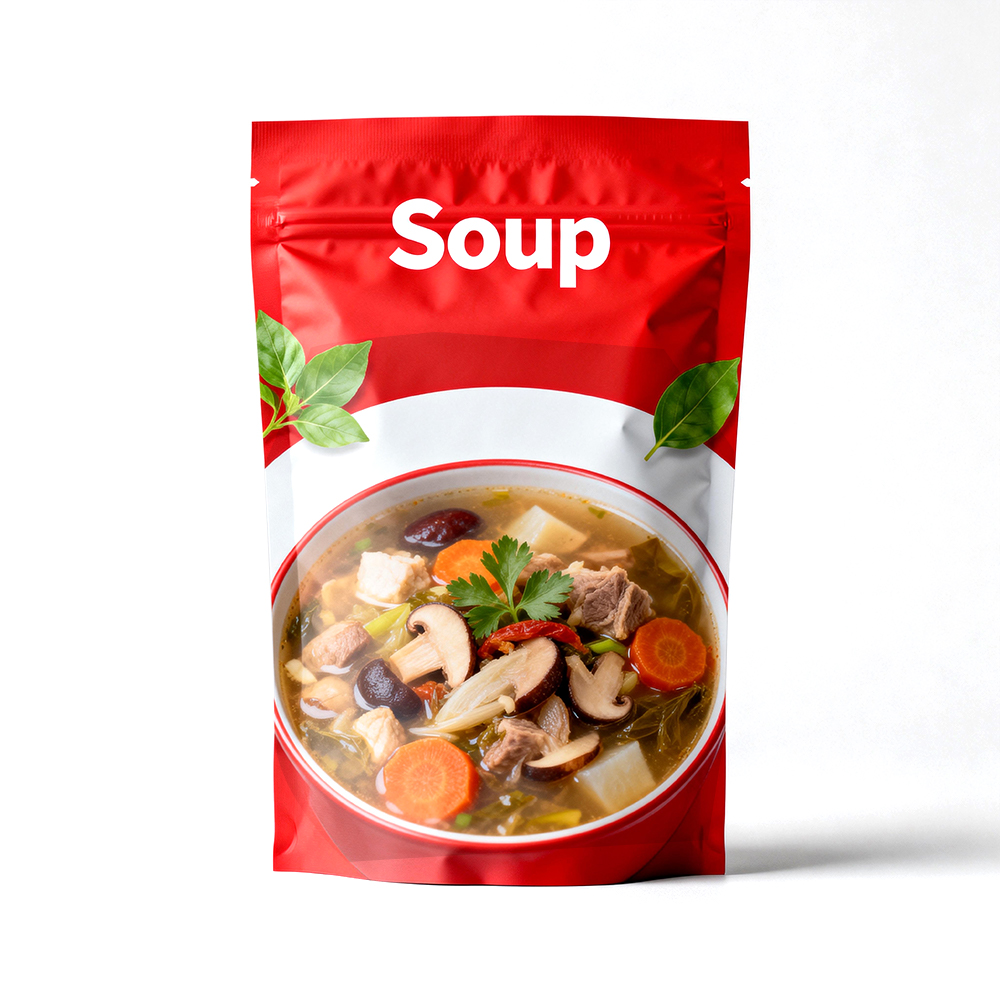
Pre-Made Food Packaging Bags
Retort and microwave-safe bags built for ready meals and pre-made food.
View Product →Additional categories, including beverage, soup, condiment, and food additive packaging bags, are available in the full food packaging bags collection.
Key Certifications and Compliance to Ask About
When evaluating a food packaging bag supplier, certifications provide a more reliable signal than marketing language alone. Depending on the target market and product category, it's worth asking whether the supplier holds or can provide:
- FDA compliance documentation — relevant for products sold into the U.S. market
- EU food contact compliance — required for products sold into the European Union
- BRCGS or FSSC 22000 certification — global food safety management system certifications that cover the manufacturing facility itself, not just the material
- Migration test reports — lab results showing that the specific film structure stays within allowable migration limits
Common Food Packaging Bag Formats
Format matters almost as much as material when it comes to food packaging bags. Some of the most common structures include:
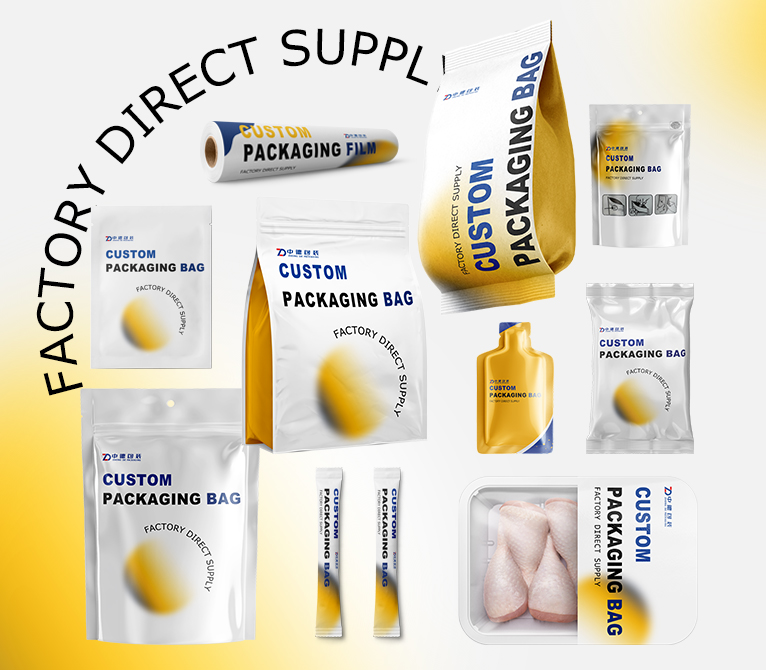
- Stand-up pouches — widely used across snacks, coffee, and pre-made food for shelf presence and resealability
- Flat-bottom bags — common for larger-format products like bulk coffee or bulk snacks that need to stand upright when filled
- Vacuum pouches — standard for meat and seafood, where removing air is essential to limiting oxidation and extending shelf life
- Retort pouches — used for pre-made meals and shelf-stable soups that need to withstand high-temperature sterilization
- Spouted pouches — used for liquid or semi-liquid products like condiments and beverages that require controlled pouring
How to Verify a Supplier's Food Grade Claims
Since "food grade" isn't independently regulated as a single labeling term in most markets, it's worth taking a few practical steps before relying on the claim:
- Request the specific regulatory standard the material complies with (FDA 21 CFR, EU 10/2011, or the relevant standard for your target market) rather than accepting "food grade" as a standalone claim
- Ask for migration test reports or material safety documentation for the exact film structure being quoted, not just a general company certification
- Confirm whether the certification covers the manufacturing facility (such as BRCGS or FSSC 22000) in addition to the raw material itself
- If the product will be retorted, microwaved, or hot-filled, confirm the film has been tested for that specific temperature range rather than assuming general food-grade approval covers it
Frequently Asked Questions
Is all plastic packaging automatically food grade?
No. Only plastics and additives that have been tested and approved under relevant food contact regulations, such as FDA 21 CFR or EU 10/2011, qualify as food grade. Standard industrial-grade plastic is not automatically safe for food contact.
Do food packaging bags need different certifications for different countries?
Often yes. A bag compliant with FDA requirements for the U.S. market isn't automatically compliant with EU regulations, so it's important to confirm compliance for each specific market the product will be sold in.
What's the difference between a food grade bag and a food safe bag?
The terms are frequently used interchangeably, though "food grade" typically refers to the material meeting regulatory standards, while "food safe" is a broader, less formally defined term describing packaging that's safe for food contact in general use.
Can one bag design work for multiple food categories?
Sometimes, but it's not ideal. A bag built for dry snacks generally lacks the grease or moisture barrier needed for meat or seafood, so using a single generic design across very different food categories usually means over-engineering for some products and under-protecting others.
Final Thoughts
"Food grade" is a starting requirement, not the whole picture — the right food packaging bag also has to match the specific barrier, seal, and format needs of the food it's protecting, whether that's a vacuum-sealed meat product or a degassing valve pouch for fresh coffee. Asking for actual compliance documentation, rather than accepting a general claim, is the simplest way to avoid packaging that looks food grade on paper but hasn't actually been tested against the standards that matter for your market.
Huaian Zhongde Packaging Materials Co., Ltd., a China-based manufacturer, supplies food packaging bags built on food grade packaging materials for meat, seafood, snacks, coffee, pre-made food, and other categories, with custom sizing and private label printing available for brands worldwide.





 Email: admin@zhongdepack.com
 Stephanie: +86 15150585909
 Monday-Friday: 9am to 6pm
 No. 10, Lixi Road, Economic and Technological Development Zone, Huai'an City, Jiangsu Province, China.
