
 Language
 English
 Español
 русский
 Português
 عربى

Baby Food Packaging: Key Materials, Pouch Types & Safety Guidance for Manufacturers
Oct 09,2026As any parent knows, a jar or pouch of baby food is more than a meal; it is a promise of safety and nutrition. For the brands behind those products, the responsibility extends well beyond the recipe. The packaging must protect sensitive ingredients from oxygen, moisture, and light, survive shipping without damage, offer parents genuine convenience, and increasingly satisfy high sustainability expectations.
At Huaian Zhongde Packaging Materials Co., Ltd., we have manufactured flexible packaging for the food and baby care industries for more than two decades. Our baby food packaging line is built around the specific needs of infant nutrition, from squeezable fruit puree pouches to resealable snack bags for toddlers. Over the years, we have also seen what happens when a pouch structure is chosen without enough analysis: delamination, off-taste, or seal failures at the worst possible moment. That is why every baby food project starts with a conversation about the product itself, not just the print job.
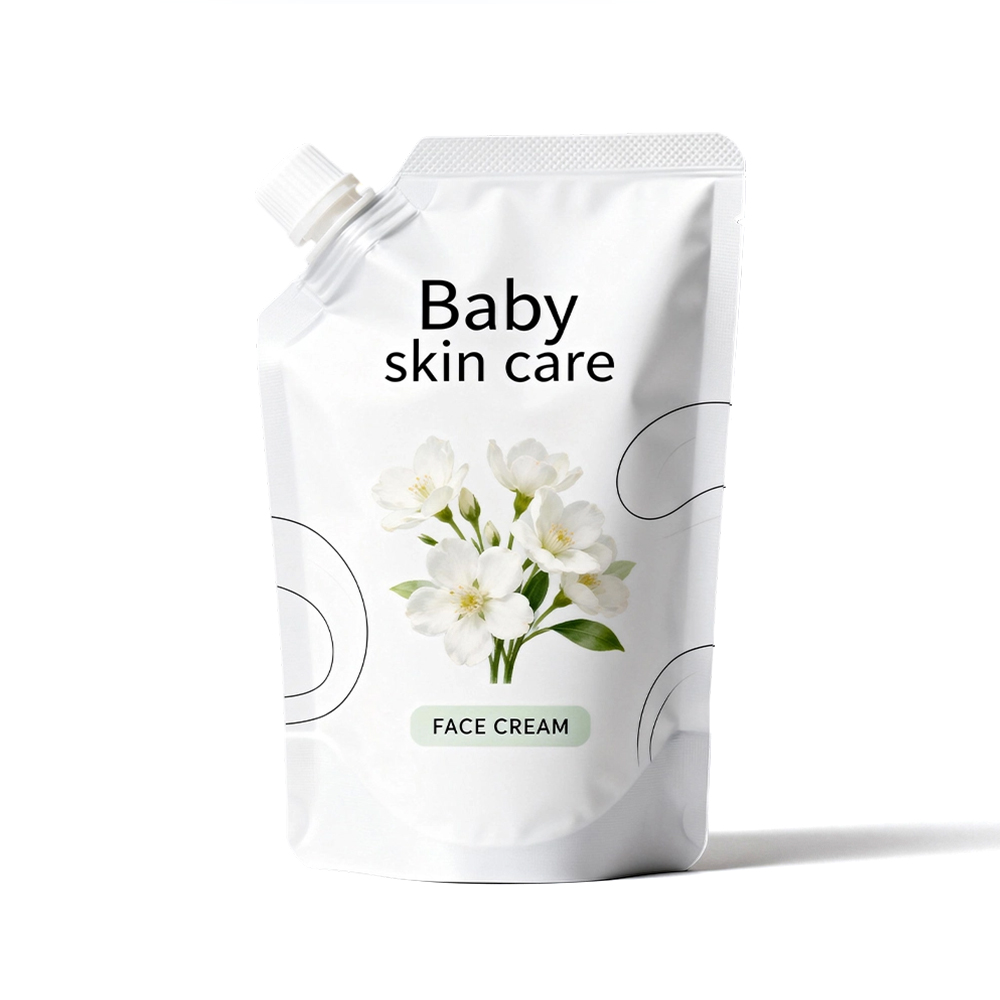
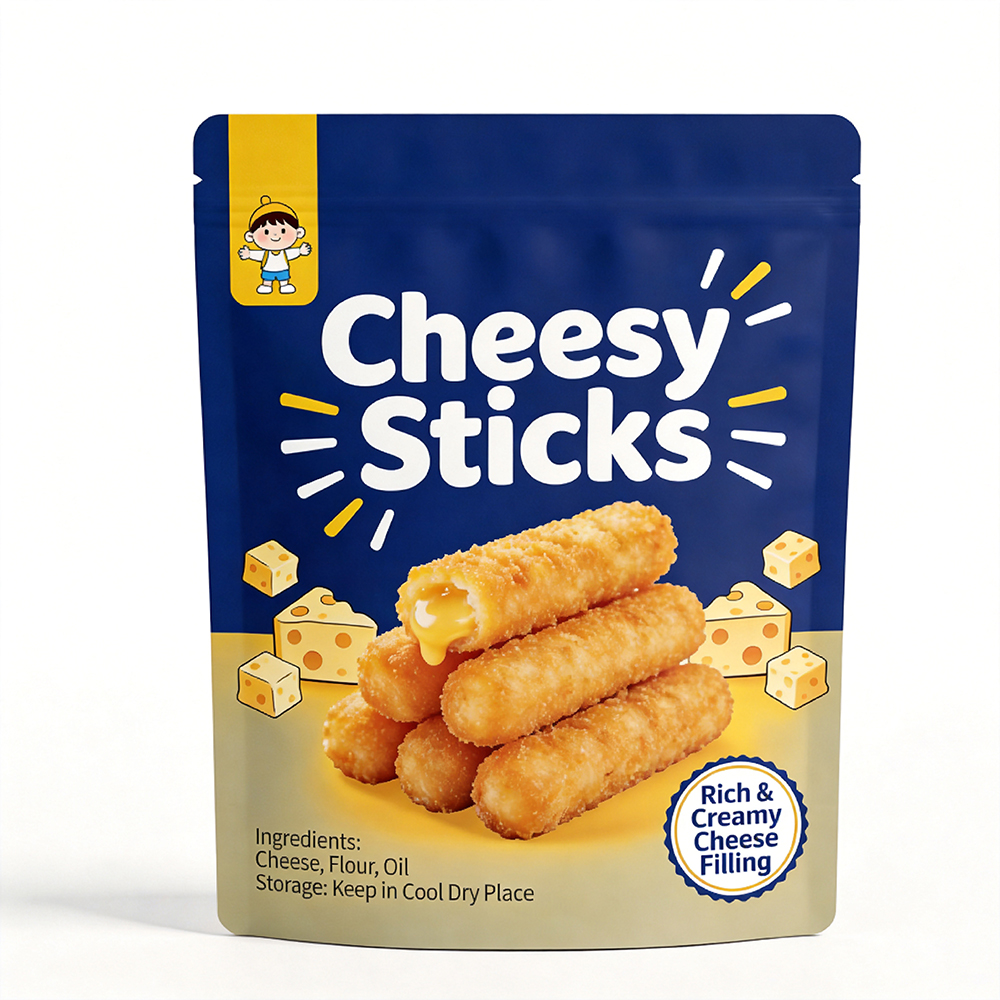 High-Barrier Baby Food Packaging Bags with Resealable OptionsThis line offers custom-shaped baby food pouches with resealable zippers, easy-tear openings, and high-barrier materials that withstand steaming up to 135°C, making it a strong fit for purees, cereals, and toddler snacks.View Product →
This guide walks through the material structures, pouch formats, and functional features that work best for baby food, and explains what to look for when choosing a packaging partner.
Content
Why Baby Food Packaging Deserves Extra Care
Babies have immature immune and digestive systems, which means every packaging decision carries more weight than it would for an adult snack or beverage. Contaminants, chemical residues, or barrier failures that might be harmless for an older consumer can become real health concerns for an infant.
Baby food also presents unusual physical challenges. Purees and yogurts are high in moisture, making them susceptible to microbial growth. Powdered cereals and snacks are sensitive to humidity and oxygen, which can degrade both texture and nutritional value. Many products must survive high-temperature retort or pasteurization processes, while others are frozen for long-term storage.
Regulatory expectations add another layer. Depending on your export market, baby food packaging may need to comply with strict food-contact regulations, migration limits, and labeling requirements. Working with a producer who understands these requirements is essential, which is exactly why we maintain dedicated packaging solutions for the baby care industry.
Selecting the Right Materials and Barrier Structure
The material structure of a baby food pouch determines how well it protects the contents and how practical it is for your filling line. Most flexible baby food packaging uses a combination of layers, each with a distinct purpose: an outer layer for print and strength, middle layers for barrier performance, and an inner heat-seal layer that safely touches the food.
These are the material types most commonly used in baby food flexible packaging:
| Material | Primary Function | Typical Use |
|---|---|---|
| Polyethylene (PE) | Heat sealing, moisture resistance | Inner sealant layer |
| Polyester (PET) | Strength and print quality | Outer printed layer |
| Metallized film | Light and oxygen barrier | Middle barrier layer |
| Aluminum foil | High oxygen, moisture and light barrier | Long-shelf-life pouches |
| Monomaterial PE | Recyclability | Eco-friendly packaging |
For short-shelf-life products such as fresh puree, a simpler structure with PET and PE may be enough. For shelf-stable baby food that must last 12 to 24 months, aluminum foil or another high-barrier layer is often necessary. The key is matching the barrier profile to your product's water activity, acidity, and distribution chain. We design baby food packaging bags with that balance in mind, so you are neither under-protecting the food nor paying for barrier performance you do not need.
Choosing the Right Pouch Format
The shape of the package affects filling speed, shelf presence, and how parents use the product. These are the pouch formats we most often recommend for baby food:
- Spout pouches: Ideal for purees, yogurts, and drinks. The spout allows mess-free eating on the go and is a favorite among parents.
- Stand-up pouches: A good choice for powdered formula, cereals, and toddler snacks. The flat bottom provides stable shelf display and easy scoop access.
- Three-side or four-side seal bags: Simple, efficient formats for baked snacks, teething biscuits, and small portion packs.
- Roll film: Suitable for brands running their own form-fill-seal lines, especially for high-volume production.
If you are introducing a puree product, a spout pouch is usually the first format parents expect on the shelf. For dry products such as rice cereal or teething biscuits, a stand-up pouch with a resealable zipper often makes the strongest impression. The right format must also work with your filling equipment, so we recommend early collaboration with our engineering team before finalizing the design.
Functional Features That Improve Everyday Usability
Parent perception is shaped by the small details of packaging. A pouch that tears cleanly, reseals firmly, or lets the caregiver see the food inside earns trust faster than a package that fights them at every step.
Popular functional options for baby food packaging include easy-tear notches, laser scoring, resealable zippers, and transparent windows that showcase natural color and texture. For baby food that will be heated, microwaveable packaging that vents steam safely is another practical choice. In formulations that undergo retort or pasteurization, high-temperature-resistant films maintain seal integrity without deforming or releasing unwanted odors.
The same focus on safety and usability extends across our baby care portfolio. Our baby skincare product packaging bags follow similarly strict food-contact standards, because they may be handled by young children after use.
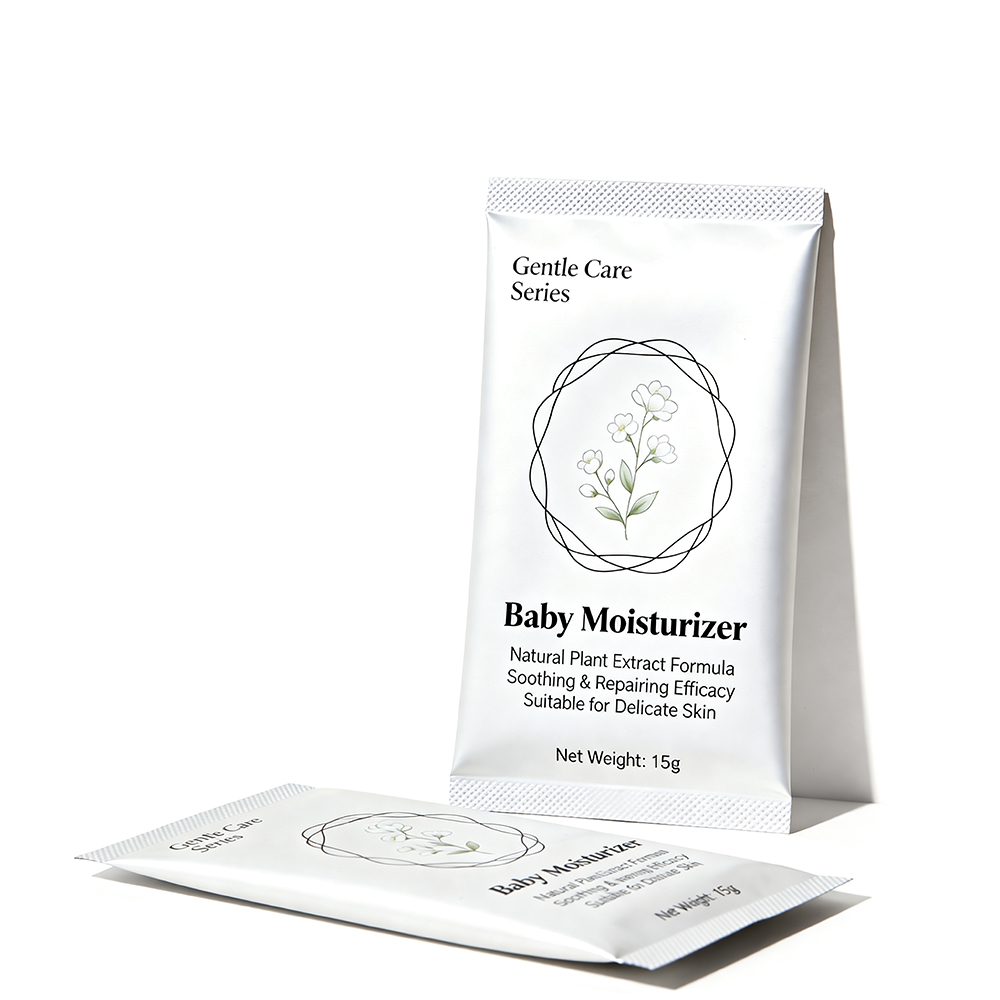 Food-Grade Baby Skincare Packaging Bags with High-Barrier ProtectionDesigned for lotions, creams, and ointments, these bags use food-contact-safe, non-irritating materials with high-barrier, airtight sealing, easy-tear openings, and rounded corners to prevent scratching—ideal for sensitive baby skin products.View Product →
When planning your pouch, ask your supplier about each feature's compatibility with your filling temperature, sealing speed, and child-resistance requirements. It is easier to build these details into the film structure from the start than to retrofit them after production begins.
Sustainability Considerations for Today's Brands
Modern parents are paying closer attention to packaging waste, and retailers are responding with stricter sustainability expectations. The good news is that baby food packaging has more environmentally responsible options today than ever before.
Recyclable monomaterial structures are one of the fastest-growing solutions. By using a single polymer such as polyethylene for the full pouch structure, brands can claim recyclability in many collection programs while retaining adequate protection for moderately shelf-stable products. Lightweighting, or reducing film thickness without compromising barrier, is another effective way to lower the carbon footprint.
At our facility, we support these goals through manufacturing practices that reduce environmental impact. Solar lighting, heat recovery, water circulation, and organic waste-gas treatment are part of daily operations, and our sustainability commitments extend to the packaging structures we recommend.
For baby care lines that use large amounts of film, such as baby wipes, we apply the same recyclability and lightweighting principles to ensure the packaging answers both performance and sustainability goals.
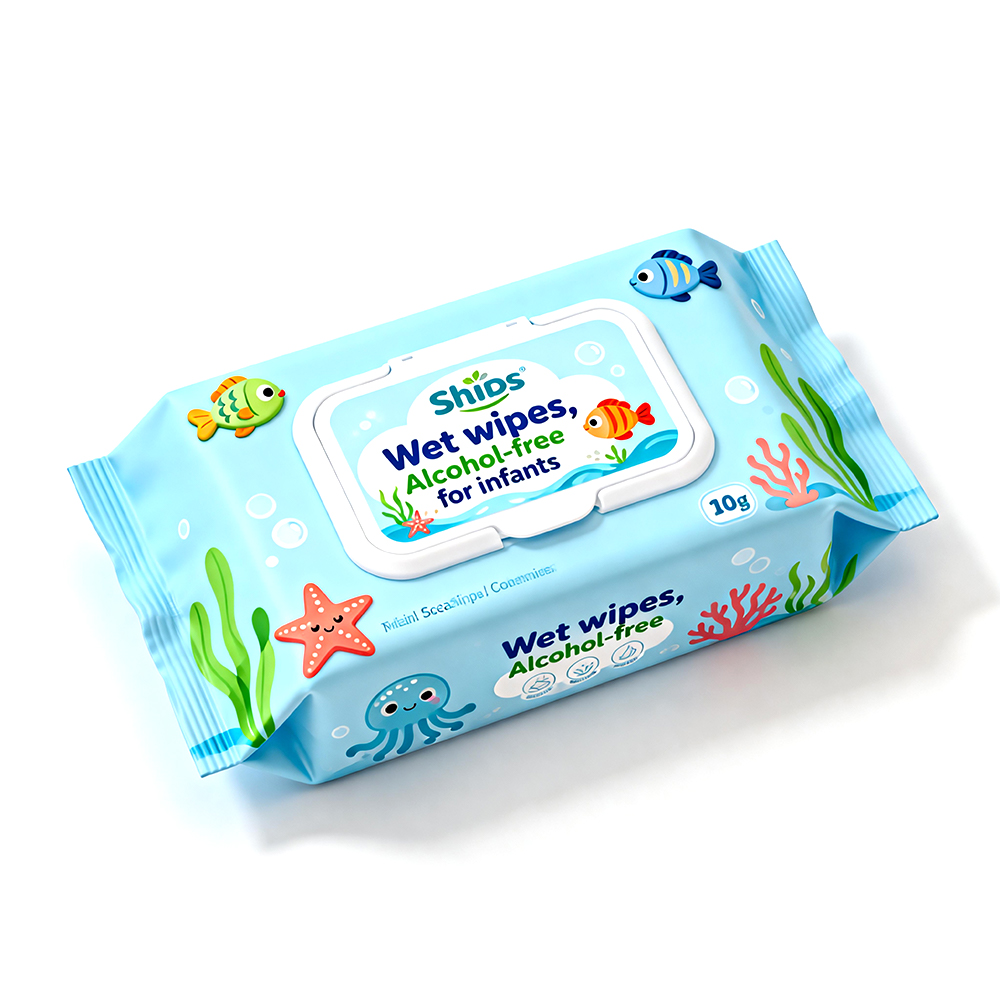
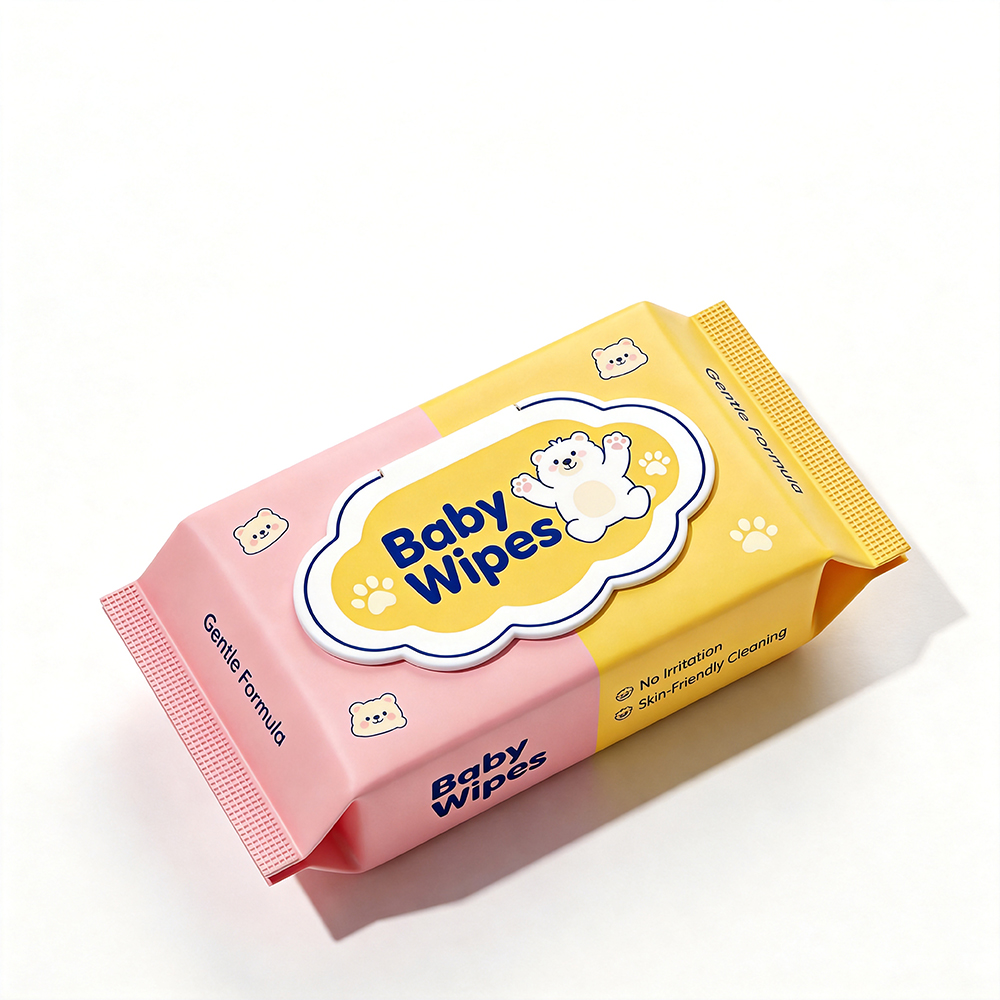 High-Barrier Baby Wipes Packaging Roll Film with Secure SealingThis roll film for baby wipes provides long-lasting moisture lock through high-barrier composite materials and precise sealing, with easy-tear and flip-top options for repeated sealing, helping to prevent contamination and maintain wipe freshness.View Product →
Partnering With a Manufacturer That Understands Food Safety
Choosing a baby food packaging supplier is not simply a matter of price per thousand bags. The right partner brings deep experience with food-contact safety, barrier science, and production reliability that protects both your brand and the babies who consume your products.
Zhongde Packaging is a national high-tech enterprise with more than 100 employees, over 60 automated plastic color printing lines, and an annual capacity of 10,000 tons of printed flexible packaging plus 6,000 tons of blown film. Our 25,000-square-meter facility in Huai'an National Economic and Technological Development Zone was designed with food, medical, and electronics packaging in mind.
Beyond production capacity, we offer the collaboration model brands need during packaging development: guidance on material selection, prototyping support, and consistent quality across repeat orders. Whether you are launching a new baby food pouch or optimizing an existing line, we treat your packaging as a core part of your product promise. Our team is available to answer questions, conduct material trials, and provide samples that reflect your actual product conditions.
Good baby food packaging balances safety, shelf life, convenience, and sustainability without compromising on any of them. It protects what parents trust the most and reinforces the quality of everything inside.
Our team at Zhongde Packaging works with baby food brands around the world to develop packaging that meets those expectations. If you are evaluating options for your next baby food launch, we are ready to share a recommendation based on your product's specific needs.
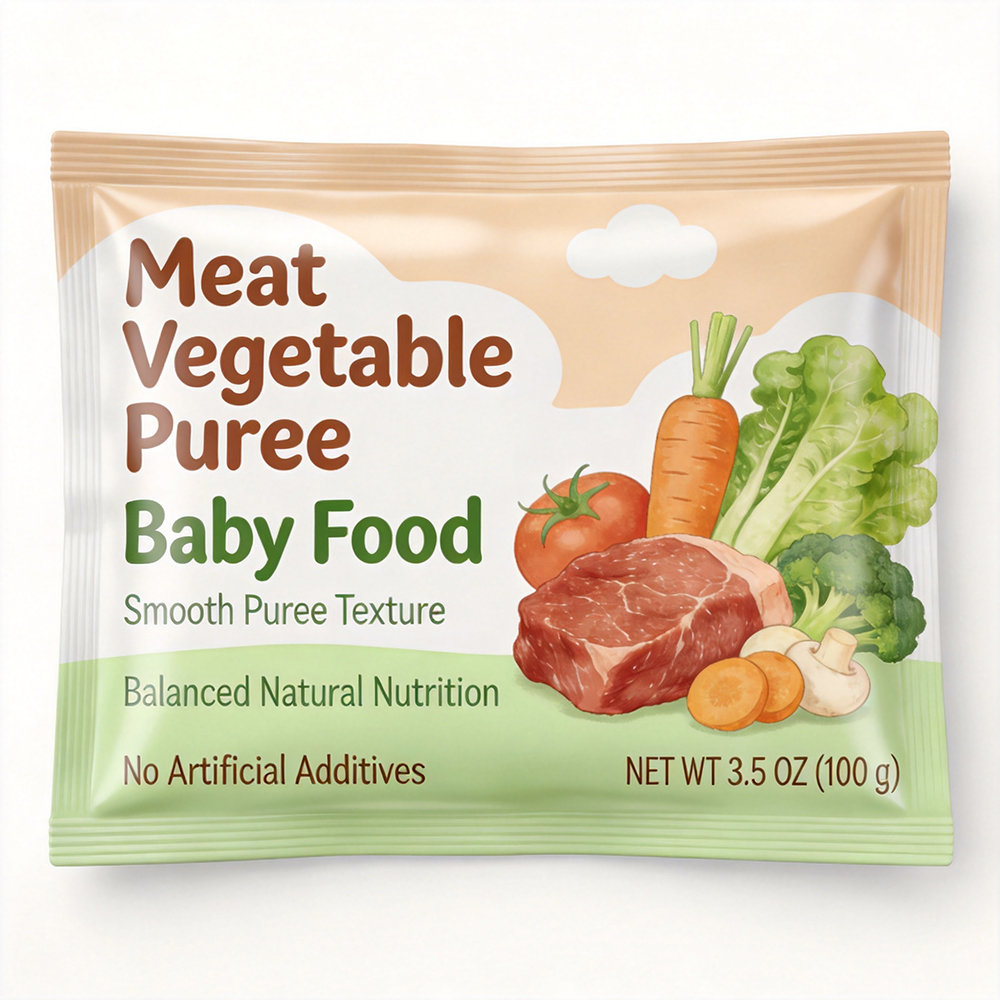
-
 Market
-
 Function
-
 Bag-Shaped
-
 Material


Get a Quote

 Email: admin@zhongdepack.com
 Stephanie: +86 15150585909
Eva: +86 18652312560
Sherlock: +86 15188766848 Monday-Friday: 9am to 6pm
-
 No. 10, Lixi Road, Economic and Technological Development Zone, Huai'an City, Jiangsu Province, China.
Copyright © by Huaian Zhongde Packaging Materials Co., Ltd. All Rights Reserved.
Custom Printed Fexible Packaging Manufacturer