

 Language
 English
 Español
 русский
 Português
 عربى
That trade-off is exactly what a transparent high barrier pouch is designed to eliminate, and it's becoming one of the more closely watched material innovations in flexible packaging over the past few years.
Content
- 1 The Old Trade-Off: Barrier vs. Visibility
- 2 How Transparent High Barrier Pouches Work
- 3 Performance Numbers That Matter
- 4 Why Visibility Builds Consumer Trust
- 5 Where Transparent High Barrier Pouches Are Being Used
- 6 A Sustainability Consideration Worth Noting
- 7 What to Ask Your Packaging Supplier Before Switching
- 8 Frequently Asked Questions
- 9 Final Thoughts
The Old Trade-Off: Barrier vs. Visibility
To understand why transparent high barrier pouches matter, it helps to look at what came before them. Foil-laminated pouches have been the default choice for products that are sensitive to oxygen, moisture, or light — think coffee, freeze-dried food, or certain pharmaceutical products. The aluminum layer sandwiched between plastic films creates a near-total barrier, which is why foil packaging can keep products shelf-stable for a year or more without refrigeration.
The problem is that aluminum is inherently opaque. A brand using foil packaging has to rely entirely on printed graphics, a die-cut window, or product photography to communicate what's inside. That's a real limitation in categories where the product's own appearance — the color of a roasted nut, the texture of a dried fruit, the clarity of a supplement capsule — is part of the sales pitch.
Standard transparent films (plain PET, PE, or BOPP-based structures without a barrier coating) solve the visibility problem but offer little resistance to oxygen and water vapor transmission. Products packaged this way oxidize faster, lose crispness, and generally have a shelf life measured in weeks rather than months. For a long time, there was no middle ground — until barrier coating technology advanced enough to change that.
How Transparent High Barrier Pouches Work
Instead of relying on an opaque aluminum layer, a transparent high barrier pouch uses vacuum oxide deposition technology to apply a nanoscale barrier coating onto a high-end film substrate. In simple terms, the film is placed inside a vacuum chamber, where an extremely thin ceramic-like oxide layer — often based on materials like silicon oxide or aluminum oxide — is deposited onto its surface at the molecular level. This layer is thin enough to remain optically transparent, yet dense enough to block the passage of oxygen and water vapor almost as effectively as a solid metal layer.
The result is an all-plastic, aluminum-free structure that stays fully transparent while achieving oxygen and moisture barrier performance close to that of traditional foil. Common substrate combinations used in this type of film include HG (high-barrier coated films), SPET (specialty coated PET), and OALPET (oxide-coated aluminum-free PET), each offering slightly different balances of clarity, flexibility, and barrier strength depending on the application.
Why This Matters More Than It Sounds
It's worth pausing on why this is a genuinely different approach rather than just a marketing spin on "clear packaging." Ordinary transparent films with no coating typically have oxygen transmission rates in the range of tens to hundreds of cm³/(m²·24h) — a number that sounds abstract until you realize it means meaningful amounts of oxygen reach the product every single day. A well-made transparent high barrier film, by contrast, can bring that number down to a fraction of a single unit, which is the difference between a product staying fresh for a few weeks versus staying fresh for the better part of a year.
Performance Numbers That Matter
When evaluating whether a transparent high barrier pouch is a fit for a given product, the specifications that actually matter go beyond the word "barrier" on a spec sheet. Here's how the three main packaging types typically compare:
| Packaging Type | Visibility | Oxygen Barrier (approx.) | Typical Shelf Life |
|---|---|---|---|
| Aluminum foil laminate | Opaque | Near-zero transmission | 12+ months |
| Standard transparent film | Fully clear | High transmission (poor barrier) | Weeks to a few months |
| Transparent high barrier pouch | Fully clear | 0.1–0.5 g/(m²·24h) | Up to 12 months |
Beyond oxygen transmission, a genuinely high-performance transparent high barrier film should also be evaluated on:
- Moisture vapor transmission rate — typically in the same 0.1–0.5 g/(m²·24h.0.1MPa) range for a properly coated film, which prevents both moisture absorption and moisture loss depending on the product
- Heat resistance — quality films can withstand retort sterilization temperatures between 121°C and 135°C, which is essential for shelf-stable food and certain medical products
- Puncture and fatigue resistance — coated barrier layers can be more brittle than laminated foil if the underlying film isn't engineered correctly, so flex-crack resistance testing matters for products that will be handled repeatedly during shipping
- Cold resistance — important for products that move through frozen or refrigerated supply chains before reaching the shelf
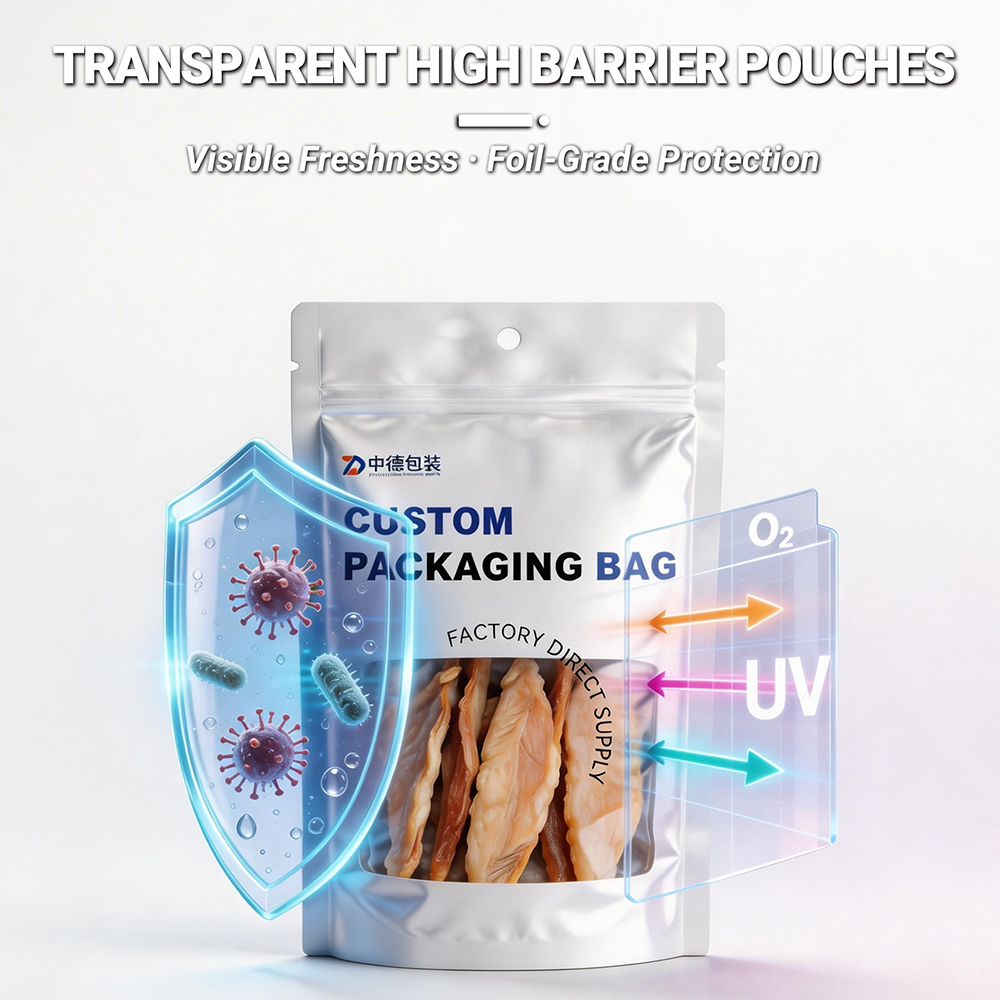
Transparent High Barrier Pouches
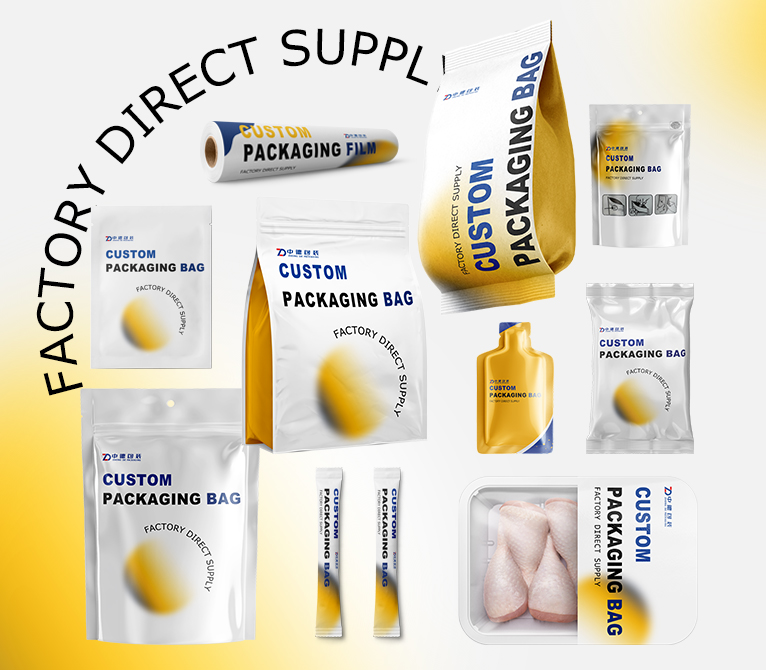
Huaian Zhongde Packaging Materials Co., Ltd. manufactures transparent high barrier pouches built on an aluminum-free, nano-coated film structure — achieving oxygen and moisture barrier levels of 0.1–0.5 g/(m².24h), heat resistance up to 135°C, and up to 12 months of shelf life, all while keeping the package fully transparent. Available with custom sizing and private label printing for food, pharmaceutical, and electronics brands.
View Product DetailsWhy Visibility Builds Consumer Trust
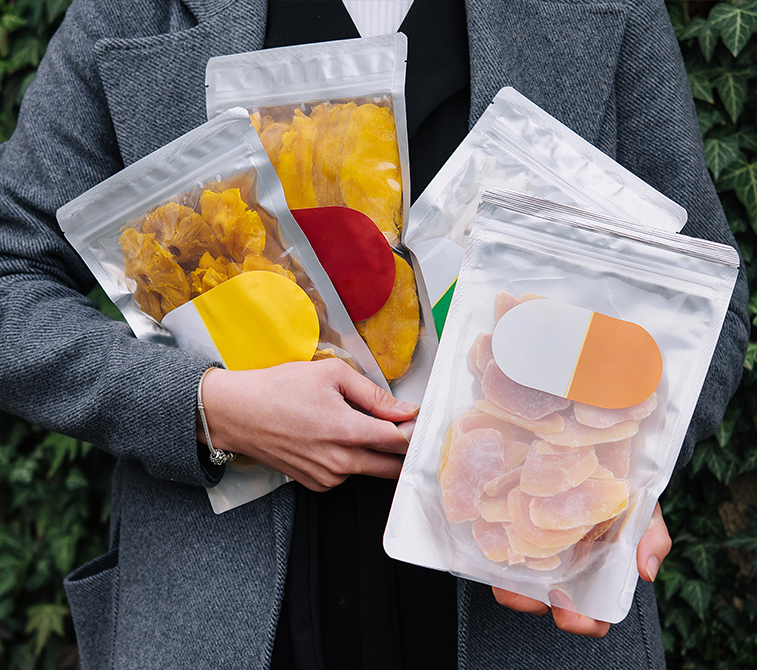
Packaging isn't just a barrier against the elements — it's often the first point of contact between a product and a buyer, especially on a crowded retail shelf or in a thumbnail image on an e-commerce listing. Being able to see the actual contents builds a kind of trust that printed graphics alone can't fully replicate. Shoppers associate visible product with freshness, quality, and honesty, particularly in categories like premium snacks, health supplements, and specialty foods, where appearance signals something meaningful about what's inside.
This is part of why so many direct-to-consumer and premium food brands have moved away from fully opaque packaging in recent years, even when the product itself would traditionally have shipped in foil. A transparent high barrier pouch lets these brands keep that visual appeal without compromising on shelf life or protection, which is why it's increasingly replacing foil in categories that used to default to opaque packaging out of necessity rather than genuine preference.
Where Transparent High Barrier Pouches Are Being Used
Three industries in particular are driving most of the current demand for this type of packaging:
Premium Snacks and Specialty Foods
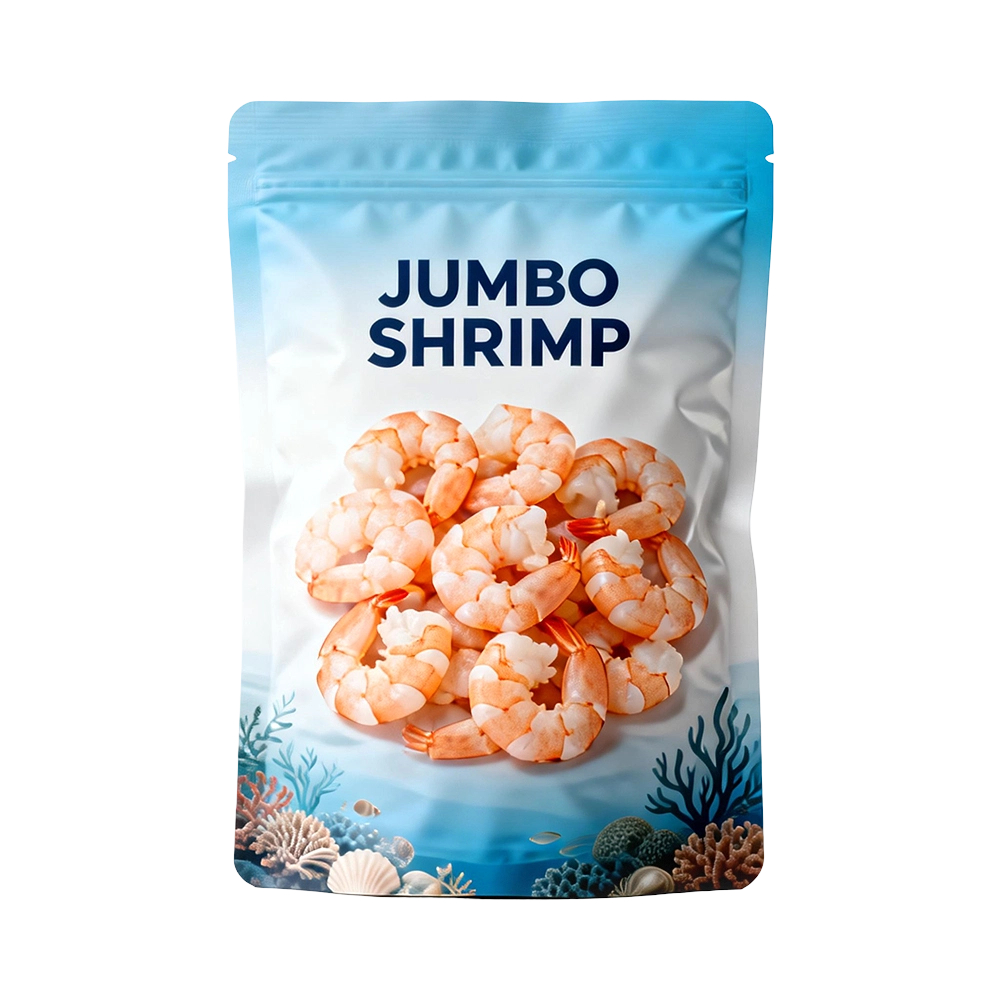
Nuts, dried fruit, roasted coffee beans, and artisanal snacks all benefit from packaging that shows off color, texture, and portion size. For a category where impulse purchases are heavily influenced by visual appeal, being able to see the product through the pouch — while still protecting it from oxidation and moisture during a long retail shelf life — is a meaningful competitive advantage.
Pharmaceutical and Health Products
Supplements, capsules, and certain over-the-counter health products often need both product visibility (for consumer confidence and, in some markets, regulatory transparency) and strict barrier performance to protect active ingredients from degradation. Transparent high barrier pouches allow these products to be packaged without the bulk, cost, or opacity of a foil laminate.
Precision Electronic Components
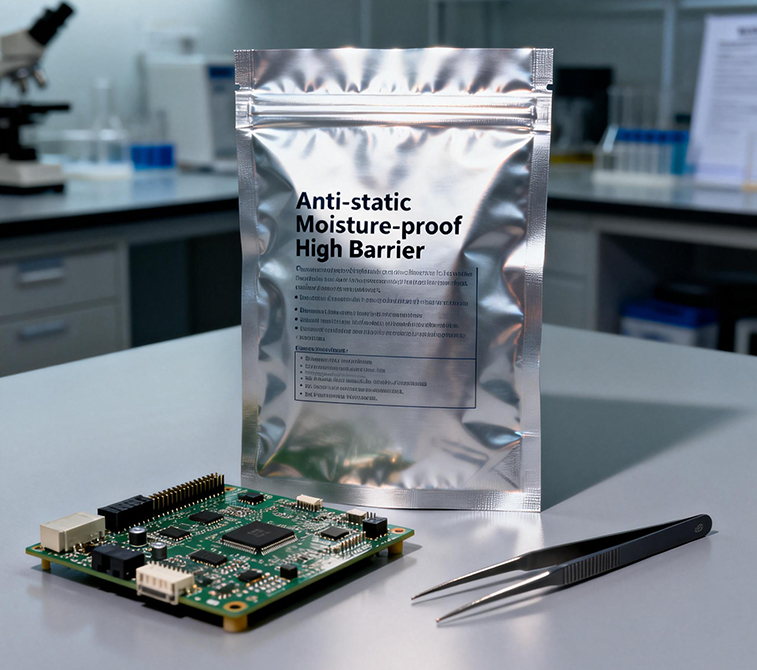
Moisture-sensitive electronic components need protection from humidity during storage and transport, but manufacturers and quality control teams often need to visually inspect components without opening the package. A transparent high barrier structure supports both requirements at once, which is difficult to achieve with either foil or standard clear film alone.
A Sustainability Consideration Worth Noting
There's also a sustainability angle to this shift that's worth mentioning. Traditional foil laminate pouches are typically multi-layer structures combining plastic, adhesive, and aluminum — a combination that's difficult to recycle in most municipal systems because the layers can't be easily separated. An all-plastic, aluminum-free transparent high barrier pouch, particularly when built on a mono-material film structure, is generally easier to process through existing plastic recycling streams. For brands under pressure to reduce packaging's environmental footprint without sacrificing shelf life, this is becoming an increasingly relevant factor in the barrier-versus-sustainability conversation, alongside the visibility benefits already discussed.
What to Ask Your Packaging Supplier Before Switching
Not all "clear barrier films" on the market perform the same, and the terminology can be used loosely in sales materials. Before sourcing, it's worth confirming a few technical details directly with your supplier rather than relying on general marketing claims:
- Ask for actual oxygen transmission rate (OTR) and water vapor transmission rate (WVTR) figures, ideally with third-party test data, rather than a general description like "high barrier"
- Confirm the heat resistance range, particularly if the product requires retort sterilization or hot-fill processing
- Ask about puncture resistance and flex-crack (fatigue) resistance, which affect how the film performs during shipping, palletizing, and repeated handling
- Verify whether the film is a genuine aluminum-free composite (such as an HG, SPET, or OALPET-based structure) rather than simply a very thin foil laminate being marketed as "transparent"
- Ask whether the supplier can provide shelf-life or accelerated aging test data specific to your product category, since barrier performance requirements vary significantly between, say, roasted coffee and freeze-dried fruit
Frequently Asked Questions
Is a transparent high barrier pouch as protective as aluminum foil?
For most applications, yes — a well-made transparent high barrier film can achieve oxygen and moisture transmission rates very close to foil laminates, typically in the 0.1–0.5 g/(m²·24h) range, while remaining fully transparent.
Can transparent high barrier pouches be custom printed?
Yes. Because the barrier coating is applied to a clear film rather than an opaque foil layer, brands can combine printed graphics with a clear "window" area, or leave the pouch fully transparent and rely on labels for branding.
What products are transparent high barrier pouches best suited for?
They work particularly well for products where visual appeal matters to the buying decision and where extended shelf life is still required — premium snacks, health and supplement products, and moisture-sensitive electronic components are the most common use cases.
Are transparent high barrier pouches more expensive than foil?
Cost varies by film structure and order volume, but because the film uses a nanoscale coating rather than a full aluminum layer, pricing is often comparable to — and in some cases lower than — traditional foil laminates, particularly when factoring in the packaging's added shelf appeal.
Final Thoughts
The packaging industry has spent years working around the trade-off between barrier protection and product visibility. Transparent high barrier pouch technology doesn't just split the difference between foil and standard clear film — it largely closes the gap, offering brands a way to show off their product while still protecting it for the better part of a year. As more manufacturers adopt vacuum oxide deposition and similar coating technologies, this style of packaging is likely to keep replacing foil in categories where opacity was always a compromise rather than a genuine requirement.
Huaian Zhongde Packaging Materials Co., Ltd., a China-based custom packaging manufacturer, produces transparent high barrier pouches for food, pharmaceutical, and electronics brands looking to make this switch, with support for custom sizing and private label printing.




 Email: admin@zhongdepack.com
 Stephanie: +86 15150585909
 Monday-Friday: 9am to 6pm
 No. 10, Lixi Road, Economic and Technological Development Zone, Huai'an City, Jiangsu Province, China.
