

 Language
 English
 Español
 русский
 Português
 عربى
The pet food industry has grown into one of the most competitive segments of consumer packaged goods, and packaging has become a bigger part of that competition than most brand owners initially expect. Pet food packaging isn't just a container — it has to protect fat-rich kibble from going rancid, keep wet food sealed and leak-free, preserve delicate freeze-dried treats, and still look good enough on a shelf or in a product photo to win a pet parent's attention. Getting any one of these wrong can mean spoiled product, customer complaints, or a bag that simply doesn't stand out next to a dozen competitors on the same shelf.
This guide walks through what actually matters when sourcing pet food packaging — the barrier requirements specific to pet food, the different formats used for wet, dry, and freeze-dried products, and what to check before choosing a supplier.
Content
- 1 Why Pet Food Packaging Is Different From Other Food Packaging
- 2 The Three Core Types of Pet Food Packaging
- 3 Key Performance Requirements to Look For
- 4 Common Packaging Formats in the Pet Food Category
- 5 Sustainability Is Becoming a Bigger Factor
- 6 Beyond Food: Packaging for the Broader Pet Care Category
- 7 What to Look for in a Pet Food Packaging Supplier
- 8 Frequently Asked Questions
- 9 Final Thoughts
Why Pet Food Packaging Is Different From Other Food Packaging
At first glance, pet food packaging might seem similar to any other flexible food packaging application, but it has a few requirements that set it apart:
- High fat content: Most dry pet food (kibble) has a significantly higher fat content than typical human snack food, which makes it more prone to oxidation and rancidity. This means oxygen barrier performance matters more here than in many other food categories.
- Odor containment: Pet food, especially wet and freeze-dried formats, tends to have a strong odor. Packaging needs a reliable barrier not just against oxygen and moisture but against odor transmission, both to protect the product and to keep retail shelves and storage areas from smelling like an open bag.
- Abrasive contents: Kibble pieces are hard and can have sharp edges, which puts extra stress on seals and film puncture resistance compared to softer food products.
- Bag size and weight range: Pet food packaging spans an unusually wide range, from small trial-size treat pouches to large multi-kilogram bulk bags for dry kibble, each with different structural and handling requirements.
The Three Core Types of Pet Food Packaging
Most pet food falls into three broad categories, and each one calls for a different packaging approach.
Wet Pet Food Packaging
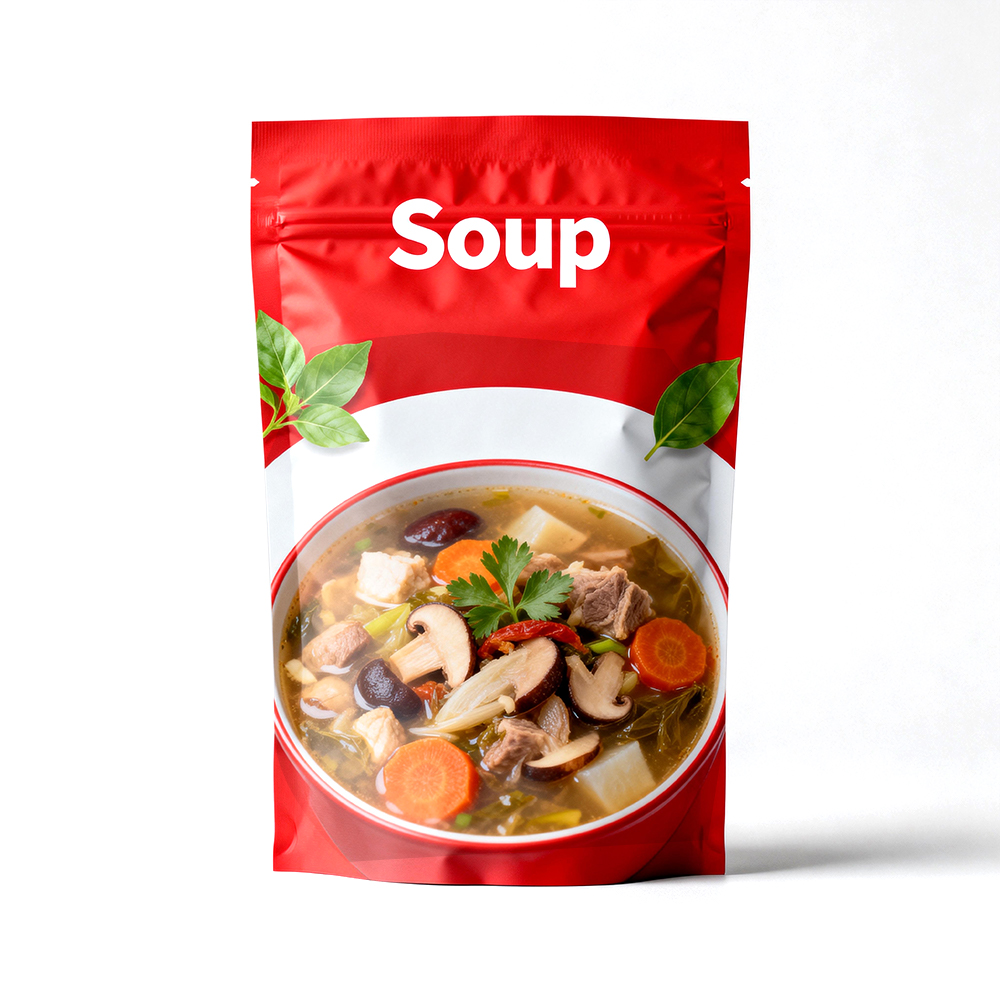
Wet pet food — whether in gravy, pate, or broth form — requires packaging with a strong moisture and grease barrier, a fully leak-proof seal, and often a retort-grade structure if the product is shelf-stable rather than refrigerated. Stand-up pouches with a spout or a resealable zipper are common for this category, since pet owners frequently portion out a partial serving and need to reseal the rest.
Dry (Baked) Pet Food Packaging
Dry and baked kibble packaging needs strong oxygen barrier performance above almost everything else, since fat oxidation is the main driver of spoilage and off-flavors in this category. Bags also need to handle the physical wear of abrasive kibble pieces without punctures, and larger formats need reinforced seams and handles to support the weight of bulk bags.
Freeze-Dried Pet Food Packaging
Freeze-dried pet food and treats are extremely sensitive to moisture — even small amounts of humidity can compromise the product's texture and shelf stability. This makes moisture barrier performance the top priority for freeze-dried packaging, often combined with a nitrogen-flush or vacuum-seal process to remove oxygen from the package before sealing.
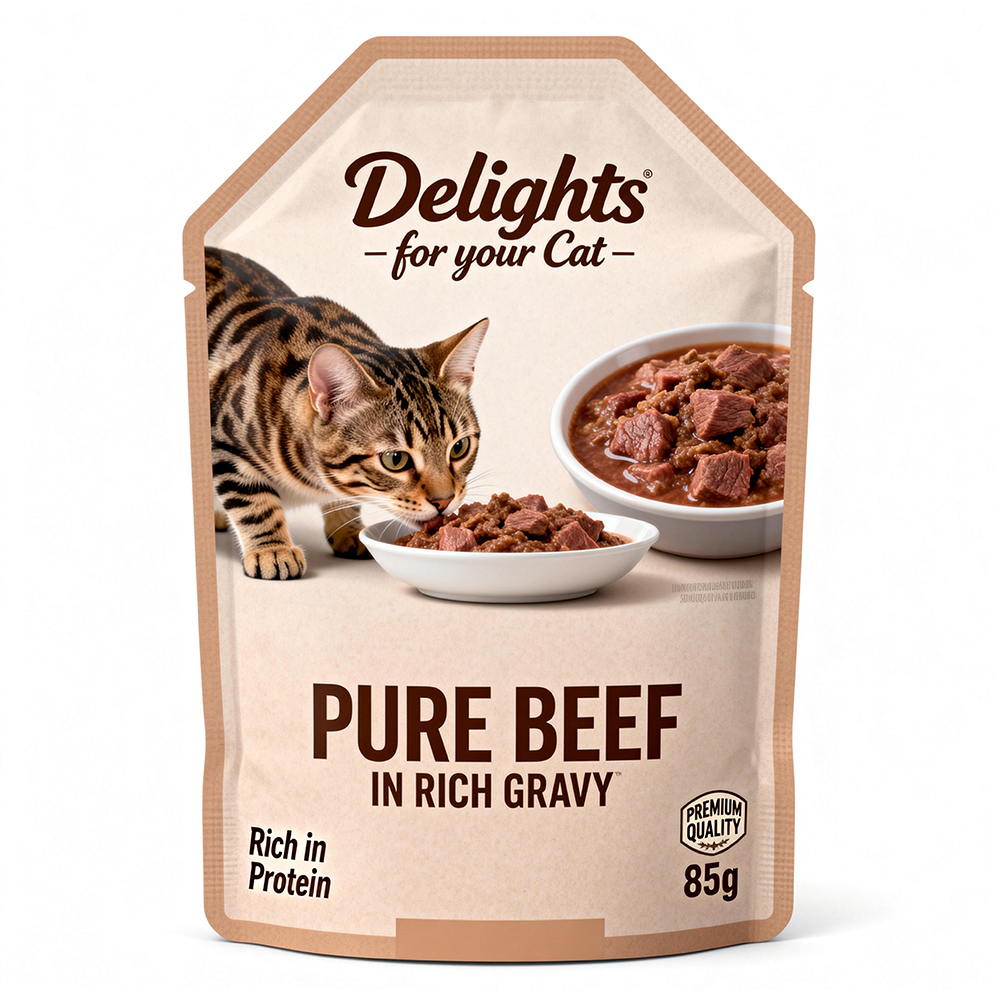
Wet Pet Food Packaging Bags
Leak-proof, grease and odor barrier pouches built for gravy, pate, and broth-based wet pet food.
View Product →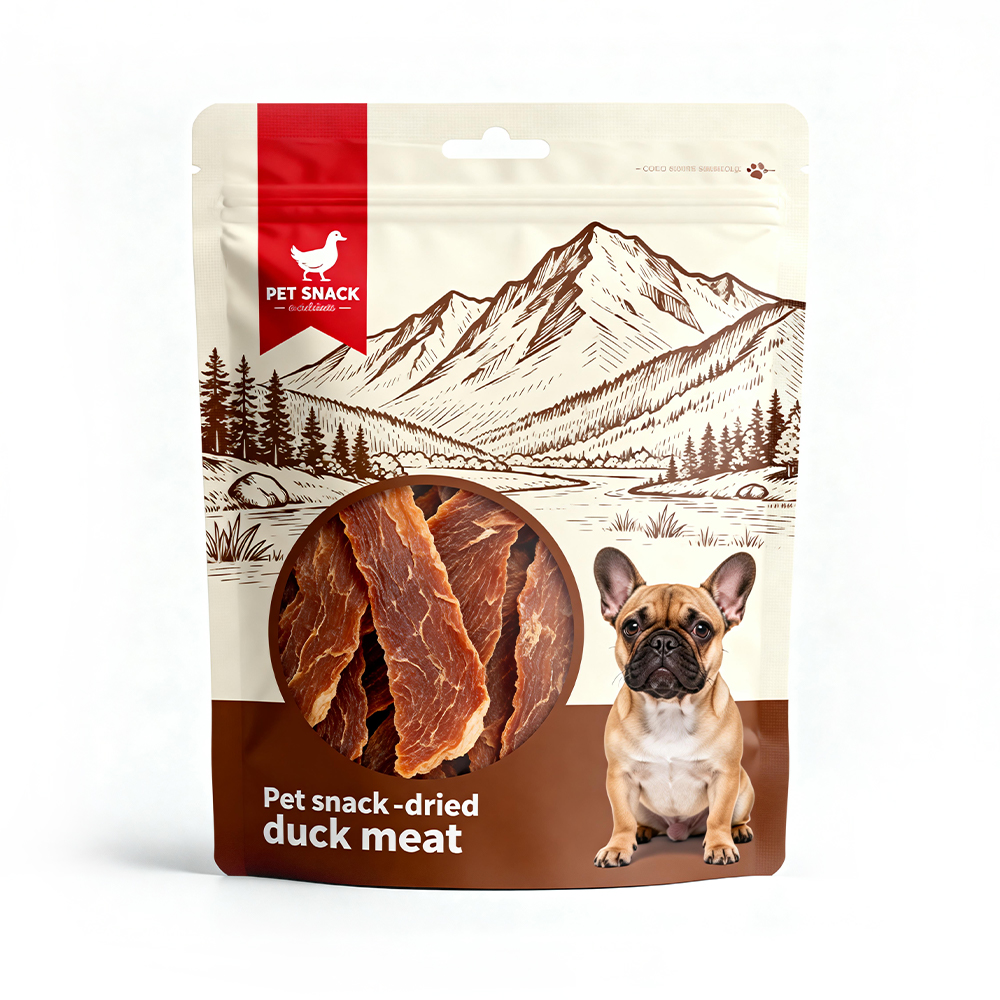
Dry Pet Food Packaging Bags
High oxygen barrier bags designed to prevent fat oxidation and rancidity in kibble and baked pet food.
View Product →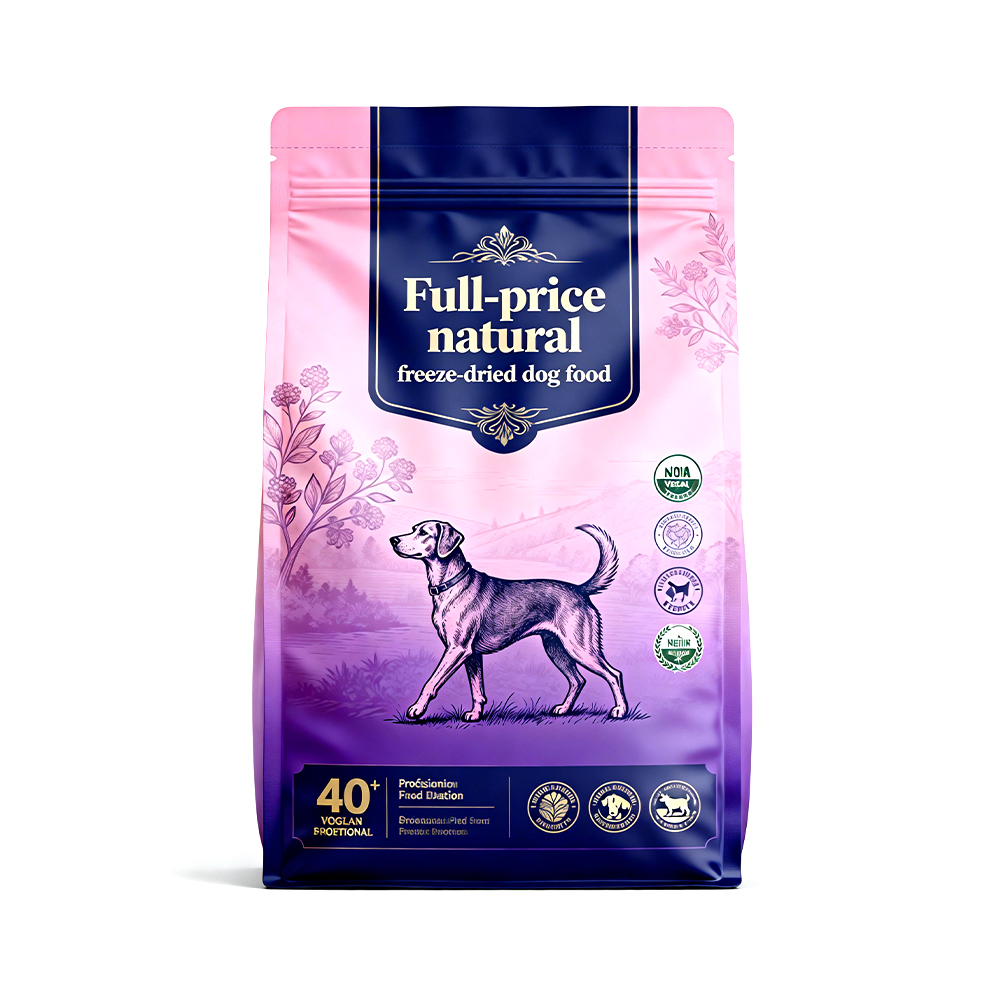
Freeze-Dried Pet Food Packaging Bags
Moisture-locking pouches engineered to protect freeze-dried food and treats from humidity exposure.
View Product →Key Performance Requirements to Look For
Regardless of which pet food format you're packaging, a handful of technical requirements come up again and again when evaluating pet food packaging materials:
| Requirement | Why It Matters |
|---|---|
| Oxygen barrier | Slows fat oxidation and rancidity, especially in high-fat dry and baked formulas |
| Moisture barrier | Critical for freeze-dried products and for keeping dry kibble crisp during long shelf life |
| Odor barrier | Contains strong pet food smells during storage, transport, and retail display |
| Puncture / seal strength | Withstands abrasive kibble edges and repeated handling without splitting or leaking |
| Resealability | Zippers or spouts let pet owners reseal a partially used bag between feedings |
Common Packaging Formats in the Pet Food Category
The choice of bag shape often matters as much as the film structure itself. A few formats dominate the pet food aisle:
- Stand-up pouches with zippers — the most common format for both dry treats and small-to-mid-size kibble bags, offering shelf presence and easy resealing
- Spouted pouches — used almost exclusively for wet pet food in gravy or liquid form, allowing controlled pouring without a full seal break
- Flat-bottom (block-bottom) bags — favored for bulk dry kibble because the wide base gives the bag stability on a shelf or store floor when filled with several kilograms of product
- Gusseted center-seal bags — common for mid-size kibble bags where cost efficiency matters more than premium shelf presentation
Sustainability Is Becoming a Bigger Factor
Pet owners increasingly care about the environmental footprint of pet food packaging, and many brands are shifting toward mono-material structures that are easier to recycle than traditional multi-layer laminates. The challenge is that pet food packaging's barrier requirements — particularly the oxygen and odor barrier needed for high-fat kibble — have historically made it harder to switch to simpler, single-material films without sacrificing shelf life. This is an area where packaging technology continues to evolve quickly, and it's worth asking any potential supplier what mono-material or more easily recyclable options they currently offer for pet food applications.
Beyond Food: Packaging for the Broader Pet Care Category
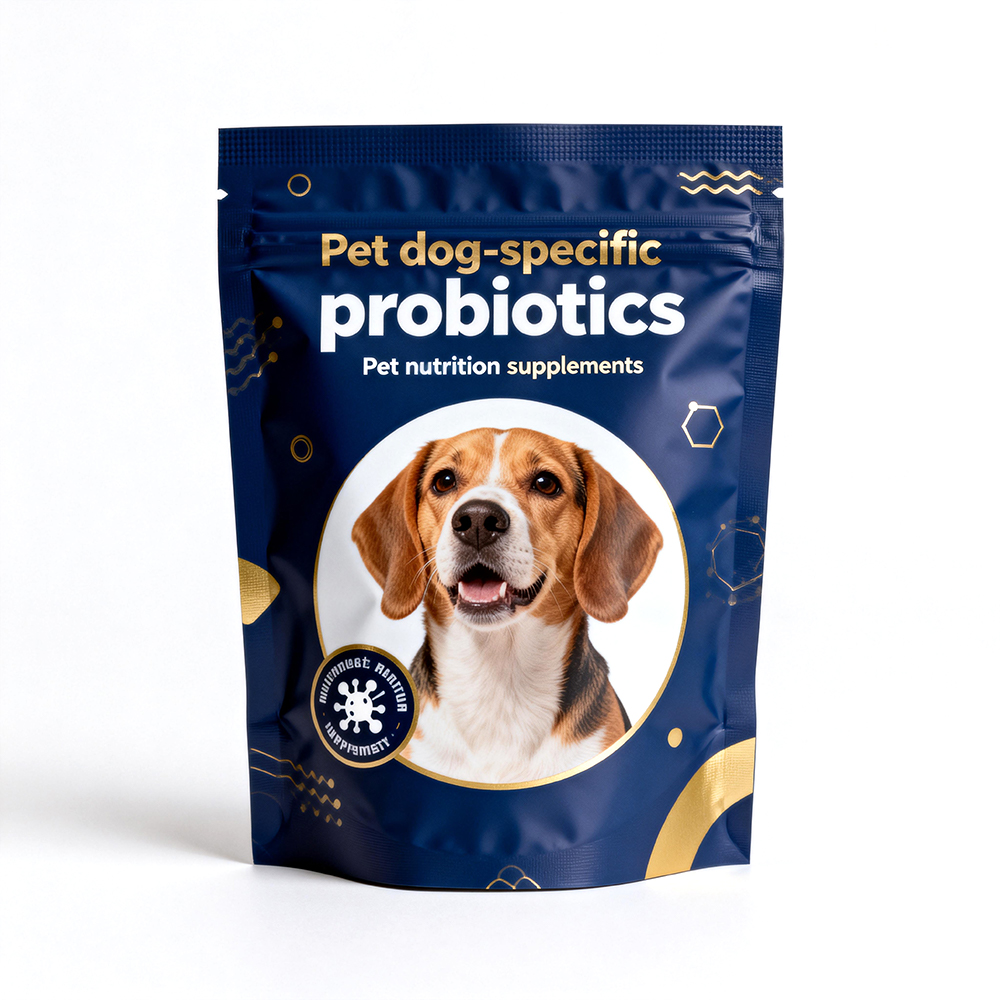
Pet food packaging is often grouped together with related pet care packaging needs, since many pet brands sell across multiple product lines. Nutritional supplements need moisture and light protection similar to human supplements, cat litter packaging needs to be heavy-duty and tear-resistant to handle dense, abrasive contents, and other pet supplies — from deodorizing powders to grooming products — each bring their own specific barrier or strength requirements. A supplier that covers the full range of pet packaging bags, not just food formats, can simplify sourcing for brands that sell across several of these categories.
What to Look for in a Pet Food Packaging Supplier
- Confirm actual oxygen transmission rate (OTR) figures for the specific film structure, not just a general "high barrier" claim
- Ask whether the supplier tests for odor barrier performance, since standard barrier testing doesn't always capture this
- Check seal strength and drop-test data if you're shipping bulk bags internationally
- Ask about minimum order quantities and custom printing capability if you need brand-specific packaging rather than stock designs
- Confirm whether mono-material or other recyclable structures are available if sustainability is a priority for your brand
Frequently Asked Questions
What type of pet food packaging is best for kibble?
Dry kibble generally performs best in a high oxygen barrier stand-up pouch or flat-bottom bag with strong seal and puncture resistance, since fat oxidation and physical abrasion are the two biggest risks.
Does wet pet food packaging need to be retortable?
If the product is intended to be shelf-stable rather than refrigerated, yes — the packaging needs to withstand retort sterilization temperatures without losing seal integrity or barrier performance.
Can pet food packaging be made resealable?
Yes, resealable zippers are standard on most stand-up pouch formats and are widely used across wet, dry, and freeze-dried pet food packaging to let pet owners store partial bags between feedings.
Is recyclable pet food packaging available?
Mono-material and other more easily recyclable structures are increasingly available, though the specific barrier requirements of high-fat pet food mean it's worth confirming oxygen and moisture performance data before switching from a traditional laminate.
Final Thoughts
Pet food packaging sits at the intersection of food-grade barrier performance and consumer-facing brand presentation, and it rarely works to treat it as an afterthought. Matching the packaging format and film structure to the specific product — wet, dry, or freeze-dried — is the starting point, and getting the barrier and seal performance right is what actually keeps the product safe on a long retail shelf life.
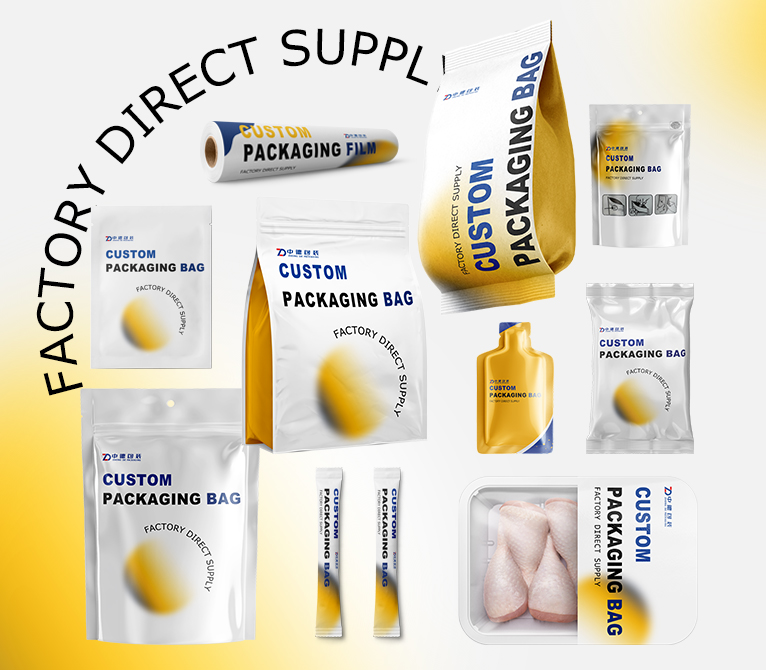
Huaian Zhongde Packaging Materials Co., Ltd., a China-based custom packaging manufacturer, supplies pet food packaging across wet, dry, and freeze-dried formats, along with packaging for pet supplements, litter, and other pet care products, with custom sizing and private label printing available for brands worldwide.







 Email: admin@zhongdepack.com
 Stephanie: +86 15150585909
 Monday-Friday: 9am to 6pm
 No. 10, Lixi Road, Economic and Technological Development Zone, Huai'an City, Jiangsu Province, China.
